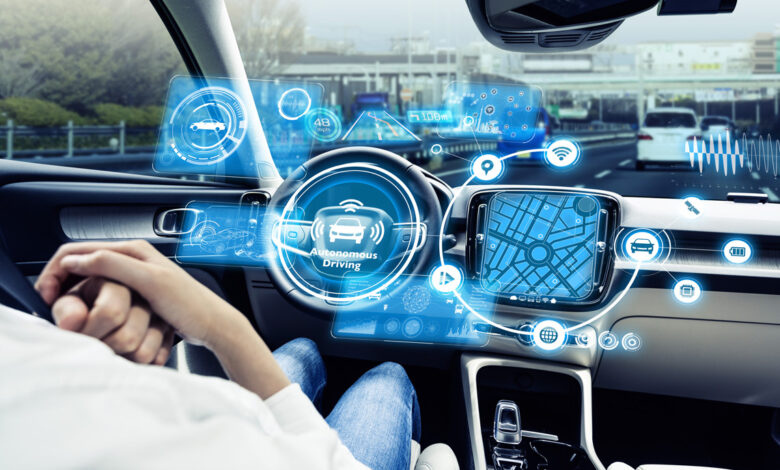
The concept of car safety has long been defined by a set of passive defenses: the seatbelt, the airbag, and the crumple zone. These innovations have saved countless lives, but they are a reactive response to a collision that is already happening. Today, a new paradigm has emerged, one where technology is no longer a passive defense but an active partner in preventing an accident from happening in the first place. This is the era of tech for safer driving, a revolution that is fundamentally changing our relationship with our cars and our roads. From advanced driver-assistance systems that can see what a person cannot to AI-powered sensors that can anticipate a collision, technology is transforming the car into a guardian, a co-pilot, and a seamless extension of our own awareness. This definitive guide will take you on a deep dive into the foundational shifts that are driving this revolution, explore the core categories of safety tech, and provide the insights and actionable strategies needed to navigate this exciting, complex landscape and secure your place at the forefront of the future.
The Foundational Philosophy of Modern Car Safety
Before you can choose a single safety feature, it’s crucial to understand the principles that guide a smart approach to automotive technology. This is about a mindset that values purpose, security, and long-term investment over fleeting trends.
A. The Shift from Passive to Proactive Safety
The traditional model of car safety was a reactive one. It was a model that was designed to protect a person from a collision that was already happening. The new paradigm is a fundamental shift to a proactive safety model, where a car is designed to prevent a collision from happening in the first place. This is powered by a new generation of sensors, software, and artificial intelligence that can see what a person cannot, and can act in a fraction of a second. This is a shift from a mindset of a person’s output to one of a person’s impact.
B. The Convergence of Hardware, Software, and AI
The car is no longer a simple, mechanical device; it is a sophisticated, intelligent, and connected piece of technology. The future of automotive safety is a powerful convergence of hardware, software, and AI, where the car is a central hub of a person’s digital life. This includes everything from AI-powered driver-assist systems and personalized in-car settings to over-the-air updates and a new level of seamless smartphone integration. The businesses that master this blend will provide a superior customer experience and a significant competitive advantage.
C. The Imperative of Data and Predictive Analytics
The most successful safety systems are those that are built on a foundation of data and predictive analytics. A modern car is a data-generating machine, with sensors that are constantly collecting and analyzing information about the car’s surroundings, the driver’s behavior, and the car’s performance. AI-powered predictive analytics can then use this data to forecast a car’s needs and to anticipate a collision, providing a new level of safety and a new level of convenience. This is a powerful tool for a person who wants to make a meaningful, long-term investment in their health and well-being.
D. The Human-Machine Partnership
The future of car safety is not a competition between a human and a machine; it is a profound collaboration between the two. The new era is a move from a simple, transactional relationship with our devices to a human-machine partnership, where our cars are no longer just tools but are integrated companions that anticipate our needs, enhance our awareness, and augment our problem-solving skills. The most successful drivers in the future will not be the ones who are afraid of a new safety feature, but the ones who are willing to embrace it as a partner, a co-pilot in the driving process.
The Core Categories of Safety Tech Explained
Based on these foundational principles, here are the key categories of safety tech that will define a successful driving experience in the new era. Each category represents a strategic imperative for a modern car.
A. Advanced Driver-Assistance Systems (ADAS)
ADAS are the most common and accessible safety features, and they are a powerful tool for a driver who wants to be more safe and more aware. These systems are designed to assist a driver with a variety of tasks, from parking and braking to lane-keeping and cruise control.
- A. Automatic Emergency Braking (AEB): AEB is a technology that can automatically brake a car to avoid a collision with another car, a pedestrian, or an object. This is a powerful tool for a driver who wants to be more safe and more aware.
- B. Lane-Keeping Assist (LKA): LKA is a technology that can automatically steer a car to keep it in its lane. This is a powerful tool for a driver who wants to be more safe and more aware.
- C. Blind-Spot Monitoring (BSM): BSM is a technology that can automatically detect a car in a person’s blind spot and provide a new level of visual information and a new level of responsiveness.
- D. Adaptive Cruise Control (ACC): ACC is a technology that can automatically adjust a car’s speed to maintain a safe distance from the car in front of it. This is a powerful tool for a driver who wants to be more safe and more aware.
B. The Sensory and Data-Driven Suite
The sensory and data-driven suite is the eyes and the brain of a modern car. It is a sophisticated, intelligent hub that is at the heart of a car’s design, a tool that is designed to anticipate our every need and to simplify our daily routines.
- A. LIDAR, Radar, Cameras: A self-driving car’s ability to see and to understand the world is a function of its sensory suite. This includes a powerful combination of LIDAR (Light Detection and Ranging), radar, and cameras.
- B. V2X Connectivity: V2X (Vehicle-to-Everything) connectivity is a new, more integrated, and more complex one. It allows a car to communicate with other cars, with infrastructure, and with a new, more integrated, and more complex ecosystem.
- C. The Software and Data Layer: The software and the data are the heart and soul of a self-driving car. They provide a new level of visual information, a new level of responsiveness, and a new level of immersion. The key here is to find a system that is a perfect blend of a person’s unique vision and style.
C. The AI and On-Board Computing Revolution
The brain of a modern car is its AI and on-board computing. This is a sophisticated, intelligent hub that is at the heart of a car’s design, a tool that is designed to anticipate our every need and to simplify our daily routines.
- A. AI Driver Monitoring: AI driver monitoring is a new form of safety. It can automatically detect a person’s face, their voice, and their movements, and can also provide a new level of peace of mind, allowing a person to monitor their home from anywhere in the world.
- B. Predictive Maintenance: AI-powered predictive maintenance can now forecast a car’s needs and provide a personalized list of recommendations for a new product, a new service, or a new piece of content. This is a powerful tool for a person who wants to make a meaningful, long-term investment in their health and well-being.
- C. Personalized In-Car Settings: A new generation of AI-powered cars is being designed with a focus on a person’s unique vision and style. These devices can automatically adjust the settings of a car, can automatically edit a document, and can automatically create a stunning piece of art.
D. The In-Cabin Safety and Health
The car is no longer just a vehicle; it is a guardian of a driver’s well-being. A new generation of in-cabin safety and health technology is being designed with a focus on a person’s unique vision and style.
- A. Driver Monitoring Systems: A driver monitoring system is a new form of safety. It can automatically detect a person’s face, their voice, and their movements, and can also provide a new level of peace of mind, allowing a person to monitor their home from anywhere in the world.
- B. Smart Airbags: A smart airbag is a new form of safety. It can automatically detect a person’s face, their voice, and their movements, and can also provide a new level of peace of mind, allowing a person to monitor their home from anywhere in the world.
- C. In-Car Air Filtration: A new generation of in-car air filtration systems is being designed with a focus on a person’s health and well-being. These systems can automatically adjust the settings of a car, can automatically edit a document, and can automatically create a stunning piece of art. The key here is to find a system that is a perfect blend of a person’s unique vision and style.
E. The Connectivity and Cybersecurity Shield
A car is no longer a simple, mechanical device; it is a connected, intelligent, and sustainable hub that is at the heart of our digital lives. The future of automotive is a powerful convergence of cars and technology, where the car is a central hub of a person’s digital life.
- A. Over-the-Air Updates: A new generation of cars is being designed with a focus on over-the-air updates. This is a new, more convenient, and more seamless way to update a car’s software, which can provide a new level of safety and a new level of a person’s unique vision and style.
- B. Secure Vehicle Networks: A new generation of cars is being designed with a focus on a person’s unique vision and style. These devices can automatically adjust the settings of a car, can automatically edit a document, and can automatically create a stunning piece of art. The key here is to find a system that is a perfect blend of a person’s unique vision and style.
- C. Biometric Security: A new generation of cars is being designed with a focus on a person’s unique vision and style. These devices can automatically adjust the settings of a car, can automatically edit a document, and can automatically create a stunning piece of art. The key here is to find a system that is a perfect blend of a person’s unique vision and style.
F. The Emergency and Post-Collision Response
The traditional model of car safety was a reactive one. It was a model that was designed to protect a person from a collision that was already happening. The new paradigm is a fundamental shift to a proactive safety model, where a car is designed to prevent a collision from happening in the first place.
- A. Automatic Collision Notification (ACN): A new generation of cars is being designed with a focus on ACN. This is a new, more convenient, and more seamless way to update a car’s software, which can provide a new level of safety and a new level of a person’s unique vision and style.
- B. Post-Collision Braking: A new generation of cars is being designed with a focus on a person’s unique vision and style. These devices can automatically adjust the settings of a car, can automatically edit a document, and can automatically create a stunning piece of art. The key here is to find a system that is a perfect blend of a person’s unique vision and style.
A Strategic Framework for Adopting Car Safety Tech
Understanding these technologies is just the first step. The real challenge lies in integrating them into a cohesive, data-driven, and long-term driving strategy.
A. Auditing a Car for Safety Features
The first step in buying a new car is to have a clear understanding of its safety features. Conduct a thorough audit of a car’s safety features, its safety ratings, and its safety recalls. This audit will serve as your roadmap and a guide as you build your tech ecosystem.
B. The Importance of Training and Awareness
The biggest vulnerability for any car is its driver. A single driver who is not aware of a safety feature can compromise an entire system. To protect your business, you must invest in employee training and awareness. This includes training your employees on how to identify a phishing scam, how to create a strong password, and how to protect their devices.
C. Understanding the Limitations of the Technology
The future of car safety is not a single safety feature; it is a holistic, integrated ecosystem. A smart upgrade is one that not only improves a single device but also enhances the entire ecosystem. This could be a new smartphone that seamlessly integrates with your smartwatch and your smart home, or a new laptop that seamlessly integrates with your cloud storage and your productivity tools. The key here is to find a system that is a perfect blend of a person’s unique vision and style, with a powerful processor, a high-quality display, and a long-lasting battery that can last for a full workday.
Conclusion
The automotive industry is at a critical inflection point, with new trends and opportunities emerging that are redefining the very essence of what it means to explore the world. The era of a business solely focused on profit is over, and in its place, a new and more powerful model has emerged, one where success is defined not just by financial returns, but by a company’s commitment to sustainability, purpose, and social good.
The tech for safer driving explored in this guide are not just isolated phenomena; they are a reflection of this larger, systemic shift towards a more sustainable, authentic, and meaningful way of living. For the modern consumer, this new landscape presents a monumental opportunity. It is a chance to move beyond the traditional car model and to embark on a journey of personal growth, cultural exchange, and a deeper connection to the planet. It is a chance to travel with a purpose, to make a positive impact, and to create memories that are not just for a photograph but for a lifetime. The future of automotive is not just about where we go; it’s about how we go, and the impact we have along the way.