The automotive industry is in the midst of a profound and irreversible transformation. For over a century, a car purchase was a transaction centered on a vehicle’s mechanical components—its engine, its horsepower, and its physical design. Today, that legacy model is a relic of the past. A new era has dawned, one where a car is no longer just a vehicle but a connected, intelligent, and sustainable hub that is fundamentally reshaping how we live, work, and travel. In this new landscape, making a purchase is not just about choosing a car but about investing in a new, rapidly evolving technological ecosystem. The most successful and financially savvy individuals are not just buying the fastest or the most expensive car; they are making a future-proof car purchase—an investment that retains value and relevance for years to come. This definitive guide will take you on a deep dive into the foundational philosophy of a smart car buyer, explore the core pillars of a future-proof car, and provide the insights and actionable strategies needed to navigate this exciting, complex landscape and secure your place at the forefront of the future.
The Foundational Mindset of a Smart Buyer
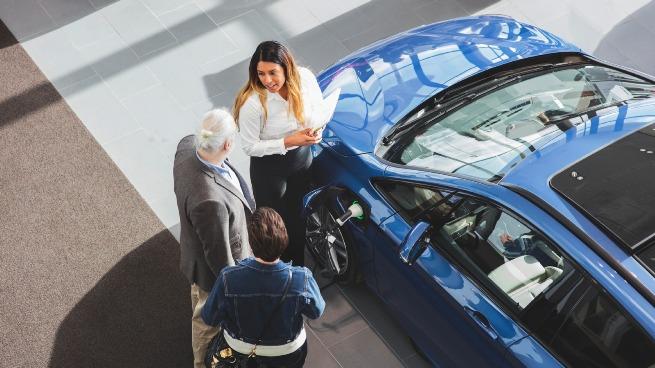
Before you make a single purchase, it’s crucial to understand the principles that guide a smart approach to car ownership. This is about a mindset that prioritizes long-term resilience, sustainability, and a deep understanding of your vehicle.
A. The Shift from a Car as a Device to a Car as a Platform
The biggest mistake a new car buyer can make is to view a car as a simple, mechanical device. The modern approach is a fundamental shift to a more holistic, more connected, and more intelligent model where a car is a platform. A platform is a new, more integrated, and more convenient one. A car can now be a part of a new, more sustainable energy grid, a car can now be a part of a new, more personalized in-car experience, and a car can now be a part of a new, more integrated workflow. This is a recognition that the most valuable thing you own is your car, and you must be a proactive, not a reactive, guardian of it.
B. The Imperative for a Holistic View of Cost and Value
The traditional car buying process was often focused on a single metric: the initial purchase price. The new paradigm, however, is a fundamental shift to a more holistic view of cost and value. This includes a car’s total cost of ownership, a new, more integrated, and more convenient one. A car’s total cost of ownership includes not only the initial cost of a car but also the cost of gas, the cost of maintenance, and the cost of insurance. A smart purchase is one that not only has a low initial cost but also has a low total cost of ownership, which can be a great way to save a significant amount of money in the long run.
C. The Role of a Car in a Sustainable Future
The global conversation around sustainability has shifted from a fringe concern to a mainstream imperative. A new era has dawned, one where a car is not just a vehicle but a tool for creating a more sustainable, more efficient, and more conscious way of living. The best cars for 2025 are those that not only have a low carbon footprint but also have a new, more sustainable, more circular, and more ethical manufacturing process. This is a shift from a mindset of consumption to one of intentionality, where every purchase is a reflection of your needs and your values.
D. Investing in Software
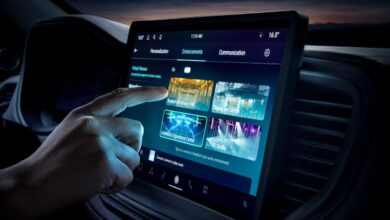
The most successful cars are those that have a new, more integrated, and more complex ecosystem. The future of automotive is a powerful convergence of cars and technology, where the car is a central hub of a person’s digital life. This includes everything from AI-powered driver-assist systems and personalized in-car settings to over-the-air updates and a new level of seamless smartphone integration. The businesses that master this blend will provide a superior customer experience and a significant competitive advantage.
The Core Pillars of a Future-Proof Car
Based on these foundational principles, here are the key categories of a future-proof car that will define success in the new era. Each category represents a strategic imperative for a modern car owner.
A. Electric Vehicle (EV) Readiness
The electric vehicle (EV) revolution is no longer a futuristic concept; it is a practical tool for immediate transformation. The widespread availability of EVs, driven by performance, range, and a new level of a person’s unique vision and style, is reshaping everything from how we drive to how we power our homes.
- A. Battery Technology: The battery is the heart of an electric car, and the next generation of EVs is being defined by a series of groundbreaking innovations in battery technology. This includes the development of solid-state batteries, which can provide a new level of energy density, a new level of safety, and a new level of charging speed.
- B. Charging Speed and Infrastructure: A new EV owner must learn the new language of charging, from a Level 1 and a Level 2 charger to a DC fast charger. The future of EV charging is a new, more integrated, and more complex one. This includes the development of ultra-fast charging, wireless charging, and V2G (vehicle-to-grid) technology, which allows a car to be a part of a new, more sustainable energy grid.
- C. V2G (Vehicle-to-Grid) Compatibility: A new generation of EVs is being designed with a focus on V2G technology. This is a new, innovative way for a car to be a part of a new, more sustainable energy grid. A car can now be used to store a person’s excess solar power and to sell it back to the grid, which can provide a new level of energy independence and a new level of sustainability.
B. Advanced Software and Connectivity
The car is no longer a simple, mechanical device; it is a connected, intelligent, and sustainable hub that is at the heart of our digital lives. The future of automotive is a powerful convergence of cars and technology, where the car is a central hub of a person’s digital life.
- A. Over-the-Air (OTA) Updates: A new generation of cars is being designed with a focus on over-the-air updates. This is a new, more convenient, and more seamless way to update a car’s software, which can provide a new level of safety and a new level of a person’s unique vision and style.
- B. Strong Cybersecurity: A car is no longer a simple, mechanical device; it is a connected, intelligent, and sustainable hub that is at the heart of our digital lives. The future of automotive is a powerful convergence of cars and technology, where the car is a central hub of a person’s digital life.
- C. Seamless App Integration: A new generation of cars is being designed with a focus on a person’s unique vision and style. These devices can automatically adjust the settings of a car, can automatically edit a document, and can automatically create a stunning piece of art. The key here is to find a system that is a perfect blend of a person’s unique vision and style.
C. The Path to Autonomous Driving
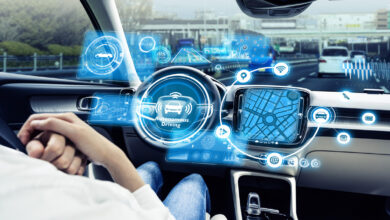
Autonomous driving is a gradual shift from driver-assist to a fully autonomous car. This is a profound and irreversible transformation that has the potential to fundamentally reshape our relationship with our cars and with our cities.
- A. Advanced Driver-Assistance Systems (ADAS): ADAS are the most common and accessible safety features, and they are a powerful tool for a driver who wants to be more safe and more aware. These systems are designed to assist a driver with a variety of tasks, from parking and braking to lane-keeping and cruise control.
- B. Sensor Suite (LIDAR, Radar, Cameras): A self-driving car’s ability to see and to understand the world is a function of its sensory suite. This includes a powerful combination of LIDAR (Light Detection and Ranging), radar, and cameras.
- C. A Future-Proof Computing Platform: A new generation of cars is being designed with a focus on a person’s unique vision and style. These devices can automatically adjust the settings of a car, can automatically edit a document, and can automatically create a stunning piece of art. The key here is to find a system that is a perfect blend of a person’s unique vision and style.
D. Sustainable and Circular Design
The traditional business model of a car was a linear one: take-make-dispose. The new paradigm is a fundamental shift to a more holistic, more sustainable, and more circular model.
- A. Recycled and Plant-Based Materials: A new generation of cars is being designed with a focus on eco-friendly materials, such as recycled plastics, sustainable fabrics, and plant-based materials. This is a powerful tool for a person who wants to make a positive impact on the planet, to save money on gas, and to experience a new level of performance and technology.
- B. Battery Recycling Programs: The biggest challenge for a circular automotive model is a battery’s degradation. The new paradigm is a fundamental shift to a more holistic, more sustainable, and more circular model. A new generation of companies is being developed with a focus on battery recycling, which can provide a new level of a person’s unique vision and style, with a powerful processor, a high-quality display, and a long-lasting battery that can last for a full workday.
- C. Eco-Friendly Manufacturing: A new generation of cars is being designed with a focus on a person’s unique vision and style. These devices can automatically adjust the settings of a car, can automatically edit a document, and can automatically create a stunning piece of art. The key here is to find a system that is a perfect blend of a person’s unique vision and style.
E. Flexible Ownership and Mobility Models
The traditional concept of a car was a tool for transportation. The new paradigm is a fundamental shift to a more holistic concept of mobility, which includes everything from car-sharing services and autonomous vehicles to smart public transit and new, micro-mobility solutions.
- A. Strong Resale Value: The resale value is a new, more complex, and more intelligent piece of technology. A new EV owner should have a clear understanding of a car’s resale value, and should always be sure to replace their car when the car’s resale value is too low.
- B. Compatibility with Car-Sharing Networks: A new generation of cars is being designed with a focus on a person’s unique vision and style. These devices can automatically adjust the settings of a car, can automatically edit a document, and can automatically create a stunning piece of art. The key here is to find a system that is a perfect blend of a person’s unique vision and style.
A Strategic Blueprint for Your Car Purchase
Understanding these pillars is just the first step. The real challenge lies in integrating them into a cohesive, data-driven, and long-term car care strategy.
A. Auditing Your Needs and Your Budget
The first step in buying a new car is to have a clear understanding of your needs. Conduct a thorough audit of your current car, your daily routines, and your goals. This audit will serve as your roadmap and a guide as you build your tech ecosystem.
B. The Importance of a Test Drive and Research
The test drive is the most important part of the car buying process. It is a chance to get a sense of a car’s performance, its handling, and its comfort. The most successful car owners are not those who are afraid of a new safety feature, but the ones who are willing to embrace it as a partner, a co-pilot in the driving process.
C. The Role of the Dealership and Aftermarket Support
The dealership is a great place to get a sense of a car’s performance, its handling, and its comfort. It is a place where you can ask a lot of questions, a place where you can get a sense of a car’s performance, its handling, and its comfort.
Conclusion
The pursuit of a more meaningful and purposeful car ownership experience is a journey of foresight, strategy, and a deep, authentic connection to the world. It is a philosophy that is not just about a flashy car, but about a deep understanding of your audience, a commitment to a purpose, and a willingness to provide a valuable, relevant, and engaging experience. The future-proofing your car purchase explored in this guide are not just isolated phenomena; they are a reflection of this larger, systemic shift towards a more sustainable, authentic, and meaningful way of living.
The car models explored in this guide are not just a list of opportunities; they are a reflection of a new economic reality. They are proof that the barriers to entrepreneurship have been dismantled, replaced by a meritocracy where the most valuable assets are a unique skill, a specialized knowledge base, and the ability to build a genuine relationship with a niche audience. The common thread running through all these ideas is the power of leverage: leveraging technology to scale, leveraging knowledge to command a premium, and leveraging a community to build a brand that is more than just a business.
The journey to building a smart home is challenging, but the rewards are unparalleled. It offers not only financial independence but also the satisfaction of creating something truly valuable in the world. The best time to start is now, and with the right mindset and a clear strategy, your business is well within its reach to achieve exponential growth.