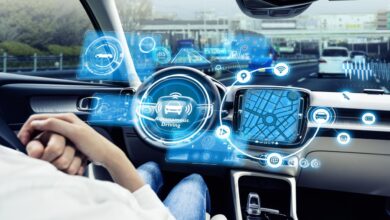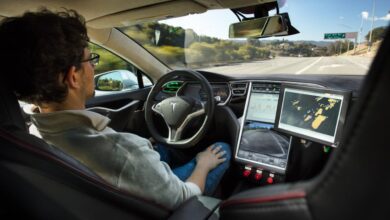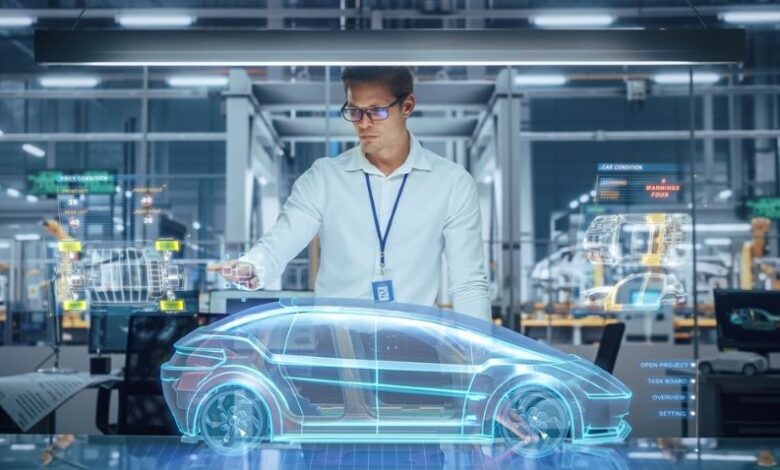
The automotive industry, once a bastion of traditional engineering and craftsmanship, is in the midst of its most profound transformation in a century. For decades, the process of designing a car was a deeply human one, a linear journey from a designer’s sketch to a physical clay model. Today, a new era has dawned, one where artificial intelligence (AI) is not just an add-on for a self-driving system but a creative partner that is fundamentally reshaping every stage of a car’s creation. From generating entirely new, aesthetically pleasing forms to optimizing a vehicle’s aerodynamics and safety, AI is augmenting human creativity and pushing the boundaries of what is possible. This is a revolution that is not replacing the human designer but empowering them, democratizing innovation, and creating a new pathway for a more sustainable, more personalized, and more intelligent vehicle. This definitive guide will take you on a deep dive into the foundational shifts that are driving this revolution, explore the core categories of AI in car design, and provide the blueprint for anyone looking to not just keep up but to thrive in the new era of automotive innovation.
The Foundational Shifts in Automotive Design
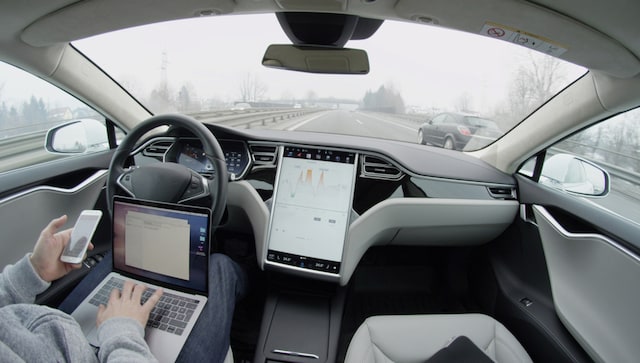
Before we can address specific AI applications, it’s crucial to understand the principles that guide a smart approach to automotive design. This is about a mindset that values collaboration, efficiency, and long-term investment over a traditional, single-minded approach.
A. From Human-Centric to Human-AI Collaboration
The biggest shift in automotive design is the transition from a human-centric to a human-AI collaboration. In the past, the design process was a solo journey for a designer. Today, AI is a partner in the creative and problem-solving process. It can generate thousands of design variations in a matter of minutes, optimize a car’s shape for aerodynamics, and even suggest new materials that are more sustainable. This is not a competition between a human and a machine but a new, more powerful, and more creative collaboration between the two, where the human’s creativity and empathy are augmented by the machine’s speed and processing power.
B. The Imperative for Speed and Efficiency
The automotive industry is a highly competitive and fast-paced one. The traditional design process, which can take years from a sketch to a final product, is a relic of the past. The new imperative is for speed and efficiency, with a new generation of tools that are designed to accelerate the design process, to reduce costs, and to get a new product to market faster. AI is the engine that is making this level of speed and efficiency possible, enabling designers to iterate on a new design in a matter of minutes, to test a new concept in a virtual environment, and to optimize a car’s performance before a single physical part is manufactured.
C. The New Focus on Personalization and User Experience
The modern consumer is no longer just buying a car; they are buying into a brand’s story, its values, and its impact on the world. They are demanding a new level of personalization, a new level of connectivity, and a new level of sustainability. The new focus on personalization and user experience is a fundamental shift in automotive design, where the car is no longer just a vehicle but a reflection of a person’s unique identity. AI is a powerful tool for this, from an AI that can personalize a car’s interior to a new, more immersive and more personal user interface.
D. The Role of AI in Sustainable and Safe Design
The global conversation around sustainability and safety has shifted from a fringe concern to a mainstream imperative. A new era has dawned, one where a car’s sustainability and safety are a core part of its design. AI is a powerful tool for this, from an AI that can optimize a car’s aerodynamics to an AI that can suggest new, more sustainable materials. It is a recognition that the most valuable thing you own is your car, and you must be a proactive, not a reactive, guardian of it.
The Core Categories of AI in Car Design
Based on these foundational principles, here are the key categories of AI in car design that will define success in the new era. Each category represents a strategic imperative for a modern enterprise.
A. Generative Design and Aesthetics
AI is no longer just a tool for optimization; it is a creative partner that is at the heart of a car’s aesthetic design. AI-powered generative design tools can create a new, aesthetically pleasing form that is a perfect blend of a person’s unique vision and style.
- A. AI for Creating New Car Shapes: AI generative design tools can create thousands of new design variations in a matter of minutes, providing a new level of inspiration and a new way to explore new shapes and forms. A designer can then use these variations as a starting point for a new, more innovative design.
- B. Optimized Aerodynamics: The most successful cars are those that are a perfect blend of aesthetics and performance. AI is a powerful tool for optimizing a car’s aerodynamics, a factor that can have a significant impact on a car’s range, its speed, and its performance.
- C. Aesthetic Variations: AI is a powerful tool for creating a new, more personalized, and more unique car. A new car owner can use an AI-powered tool to customize a car’s aesthetic, from its color and its interior to its wheels and its accessories. This is a powerful tool for a person who wants to be a part of a car’s design.
B. The Personalization of the Driving Experience
The future of the car interior is a new, more immersive, and more personal experience, with a new generation of tools that are designed to be a perfect blend of a person’s unique vision and style.
- A. AI-Powered User Interfaces (UI): The car’s dashboard is no longer just a collection of analog gauges. It is a digital command center, a new, more immersive, and more personal experience. AI-powered user interfaces can anticipate a driver’s needs, provide a new level of on-location information, and a new level of a person’s unique vision and style.
- B. Biometric-Driven Design: The future of a car’s interior is a new, more personal, and more intuitive one. A new generation of biometric sensors can collect and analyze a wide variety of a person’s data, from their heart rate to their stress levels. AI can then use this data to create a personalized, more comfortable, and more stress-free driving experience.
- C. Customizable Interiors: The future of a car’s interior is a new, more personal, and more intuitive one. A new car owner can use an AI-powered tool to customize a car’s interior, from its color and its materials to its lighting and its sound system.
C. AI for Performance and Engineering
AI is no longer just a creative partner; it is a tool for a car’s performance and engineering.
- A. AI for Structural Optimization: AI is a powerful tool for a car’s performance and engineering. It can automatically optimize a car’s structural design, which can result in a lighter, more efficient, and more safe car.
- B. Cooling Systems: A car’s cooling system is a critical part of a car’s performance and its safety. AI is a powerful tool for optimizing a car’s cooling system, a factor that can have a significant impact on a car’s range, its speed, and its performance.
- C. Material Science: AI is a powerful tool for material science. It can automatically suggest new, more sustainable, and more durable materials that are a reflection of a person’s unique vision and style. The key here is to find a system that is a perfect blend of a person’s unique vision and style.
D. The Sustainable Design Imperative
The global conversation around sustainability has shifted from a fringe concern to a mainstream imperative. A new era has dawned, one where a car’s sustainability and safety are a core part of its design.
- A. AI for Material Recycling: AI is a powerful tool for material recycling. It can automatically sort and recycle a car’s materials, which can reduce a car’s environmental footprint and a car’s carbon footprint.
- B. Lightweight Design: A lightweight car is a more efficient and more sustainable car. AI is a powerful tool for a car’s lightweight design, which can have a significant impact on a car’s range, its speed, and its performance.
- C. Battery Pack Optimization: The battery is the heart of an electric car, and the next generation of EVs is being defined by a series of groundbreaking innovations in battery technology. AI is a powerful tool for a battery’s optimization, which can have a significant impact on a car’s range, its speed, and its performance.
E. The Manufacturing and Production Revolution
The traditional model of a car’s manufacturing was a manual one. The new paradigm is a fundamental shift to a more automated, more efficient, and more intelligent one.
- A. AI for Robotic Assembly: AI is a powerful tool for a car’s manufacturing and production. It can automatically assemble a car, which can reduce the cost of a car and a car’s time to market.
- B. Quality Control: AI is a powerful tool for a car’s quality control. It can automatically detect a defect in a car’s design, a car’s manufacturing, and a car’s performance. The key here is to find a system that is a perfect blend of a person’s unique vision and style.
- C. Predictive Maintenance: AI-powered predictive maintenance can now forecast a car’s needs and provide a personalized list of recommendations for a new product, a new service, or a new piece of content. This is a powerful tool for a person who wants to make a meaningful, long-term investment in their health and well-being.
A Strategic Blueprint for The Automotive Industry

Understanding these innovations is just the first step. The real challenge lies in integrating them into a cohesive, data-driven, and long-term strategy.
A. Investing in AI-Enhanced Design Tools
The future of car design is a collaboration between humans and machines. The automotive industry must invest in AI-enhanced design tools, which can provide a new level of inspiration, a new level of efficiency, and a new level of a person’s unique vision and style.
B. Prioritizing Training and Upskilling
The biggest challenge for the automotive industry is to find and to retain top talent. The new imperative is for training and upskilling, with a new generation of tools that are designed to be a perfect blend of a person’s unique vision and style. This includes a new, more powerful laptop with a new, more intuitive interface, a new, more immersive editing system with a new, more powerful VR headset, or a new, more integrated workflow with a new, more powerful set of tools. The key here is to find a system that is a perfect blend of a person’s unique vision and style.
C. Fostering a Culture of Experimentation
The pace of change is too fast for a rigid, long-term plan. In the new era, successful businesses will operate with an agile methodology. This means running small, low-risk experiments, collecting data, and iterating quickly. It requires a company culture that encourages a “test and learn” approach and sees failure as an opportunity for growth, not a setback. Agility is the only way to stay ahead in a constantly changing market.
Conclusion
The automotive industry is at a critical inflection point, with new trends and opportunities emerging that are redefining the very essence of what it means to explore the world. The era of a business solely focused on profit is over, and in its place, a new and more powerful model has emerged, one where success is defined not just by financial returns, but by a company’s commitment to sustainability, purpose, and social good.
The AI in car design explored in this guide are not just isolated phenomena; they are a reflection of this larger, systemic shift towards a more sustainable, authentic, and meaningful way of living. For the modern consumer, this new landscape presents a monumental opportunity. It is a chance to move beyond the traditional car model and to embark on a journey of personal growth, cultural exchange, and a deeper connection to the planet. It is a chance to travel with a purpose, to make a positive impact, and to create memories that are not just for a photograph but for a lifetime. The future of automotive is not just about where we go; it’s about how we go, and the impact we have along the way.