A car is one of the most significant investments a person will make in their lifetime. It is a symbol of freedom, a tool for daily life, and a complex machine that requires a degree of care and attention. For many, the idea of car maintenance can be intimidating, a complex and confusing world of mechanics, fluid changes, and expensive repairs. However, a new paradigm of car care has emerged, one that views maintenance not as a chore but as a proactive, strategic, and empowering part of car ownership. Proper maintenance is the key to protecting your investment, ensuring your safety, and saving a significant amount of money and stress in the long run. This definitive guide will take you on a deep dive into the foundational philosophy of proactive car care, explore the core pillars of essential maintenance, and provide the insights and actionable strategies needed to take control of your vehicle’s health now.
The Foundational Philosophy of Proactive Car Care
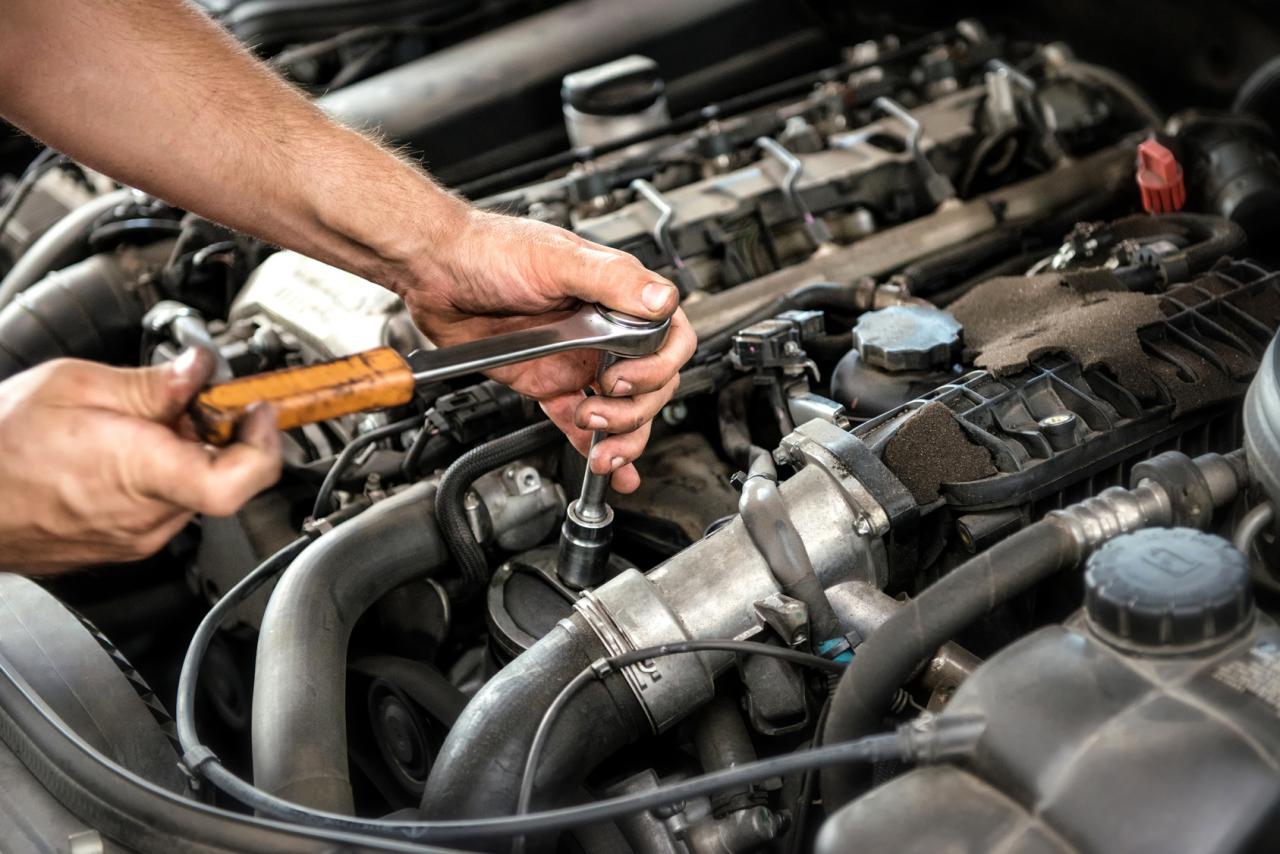
Before you can execute a single maintenance task, it’s crucial to understand the principles that guide a smart approach to car ownership. This is about a mindset that prioritizes long-term resilience, safety, and a deep understanding of your vehicle.
A. The Shift from Reactive to Preventative Maintenance
The biggest mistake a car owner can make is to wait until a problem occurs to address it. A broken-down car on the side of the road is an expensive and stressful experience that could have been avoided with a simple, preventative maintenance schedule. The modern approach is a fundamental shift from a reactive to a preventative maintenance mindset. This means a car owner is not just waiting for a problem to occur; they are proactively checking their fluids, their tires, and their engine to ensure that their car is always in top condition. This is a recognition that a small, upfront investment of time and money can save you a significant amount of stress and a significant amount of money in the long run.
B. The High Cost of Neglect
A car is a complex system of interconnected parts, and a single act of neglect can have a devastating impact on the entire system. A lack of a simple oil change can lead to a damaged engine, a lack of a tire rotation can lead to a loss of a tire’s tread, and a lack of a fluid check can lead to a variety of mechanical problems. The cost of neglect is not just the money that is lost; it is the time, the stress, and the resources that are required to recover. The smartest investment you can make is in a strong maintenance schedule that can prevent these problems from happening in the first place.
C. The Empowerment of the Car Owner
The world of car maintenance has long been a domain of professional mechanics, a place where a car owner feels a sense of intimidation and confusion. The modern approach is a fundamental shift to a more empowering one. A car owner is no longer just a passive participant in a car’s life; they are an active, knowledgeable, and empowered partner. This is a journey of intentionality, where the car owner chooses to be a proactive guardian of their car’s health and well-being. This is a recognition that the most valuable thing you own is your car, and you must be a proactive, not a reactive, guardian of it.
D. The Role of a Consistent Maintenance Schedule
A consistent maintenance schedule is the backbone of a successful car care routine. It is a clear, actionable plan for a car’s health, a schedule that is designed to prevent problems from happening in the first place. The most successful car owners are not those who are constantly fixing problems, but those who have a clear, consistent maintenance schedule that they follow. This is a journey of intentionality, where the car owner chooses to be a proactive guardian of their car’s health and well-being.
The Core Pillars of Essential Car Maintenance
Based on these foundational principles, here are the key categories of essential car maintenance that will define a successful car care routine in the new era. Each category represents a strategic imperative for a modern car owner.
A. The Engine’s Lifeblood
The engine is the heart of your car, the single most critical piece of gear in your professional toolkit. Proper engine maintenance is the key to a car’s longevity, its performance, and its resale value.
- A. When and How to Check Your Oil: Engine oil is the lifeblood of your car. It lubricates the engine’s moving parts, reduces friction, and prevents a variety of mechanical problems. A car owner should check their oil at least once a month, and should always be sure to use the right type of oil for their car.
- B. Changing the Oil: An oil change is the single most important part of a car’s maintenance schedule. A car owner should change their oil every 3,000 to 5,000 miles, and should always be sure to use the right type of oil for their car. This is a simple but powerful way to prevent a variety of mechanical problems, from a damaged engine to a loss of a car’s performance.
- C. The Importance of Coolant: Engine coolant is a liquid that is designed to keep a car’s engine from overheating. It is a critical part of a car’s maintenance schedule, and a car owner should always be sure to use the right type of coolant for their car. A lack of a simple coolant check can lead to a variety of mechanical problems, from a damaged engine to a loss of a car’s performance.
B. The Car’s Foundation
The tires and the brakes are the foundation of your car. They are the single most critical pieces of gear in your professional toolkit, and they are a powerful tool for a person’s safety and well-being.
- A. Tire Pressure: Tire pressure is the first line of defense for a car’s tires. A car owner should check their tire pressure at least once a month, and should always be sure to use the right amount of air for their car. A lack of a simple tire pressure check can lead to a variety of problems, from a loss of a car’s performance to a loss of a car’s safety.
- B. Tire Rotation and Tread Depth: A tire rotation is a simple but powerful way to extend a car’s tire life. A car owner should rotate their tires every 5,000 to 7,000 miles, and should always be sure to use the right type of tires for their car. A tire’s tread depth is a key indicator of a car’s safety. A car owner should check their tire’s tread depth at least once a month, and should always be sure to replace their tires when the tread depth is too low.
- C. When to Replace Brakes: The brakes are the single most critical pieces of gear in your professional toolkit. A car owner should check their brakes at least once a month, and should always be sure to replace their brakes when the brake pad is too thin. This is a simple but powerful way to prevent a variety of problems, from a loss of a car’s performance to a loss of a car’s safety.
C. The Car’s Senses
The car’s fluids and filters are the hidden essentials of a car’s health. They are a powerful tool for a person’s safety and well-being, and a lack of a simple fluid check can have a devastating impact on a car’s performance.
- A. Transmission Fluid: Transmission fluid is a liquid that is designed to lubricate a car’s transmission and to prevent a variety of mechanical problems. A car owner should check their transmission fluid at least once a month, and should always be sure to use the right type of fluid for their car.
- B. Brake Fluid: Brake fluid is a liquid that is designed to lubricate a car’s brakes and to prevent a variety of mechanical problems. A car owner should check their brake fluid at least once a month, and should always be sure to use the right type of fluid for their car.
- C. Windshield Washer Fluid: Windshield washer fluid is a liquid that is designed to clean a car’s windshield. It is a simple but powerful way to improve a person’s safety, and a car owner should always be sure to use the right type of fluid for their car.
- D. Air Filters: A car’s air filters are a powerful tool for a person’s health and well-being. They are designed to clean a car’s air, and they are a great way to reduce a person’s exposure to dust, pollen, and other pollutants.
D. The Car’s Electrical System
The car’s electrical system is the heart of a car’s modern technology. It is a sophisticated, intelligent, and connected piece of technology that is at the heart of our digital lives.
- A. Battery Health: A car’s battery is the heart of a car’s electrical system. It is a powerful tool for a person’s safety and well-being, and a lack of a simple battery check can have a devastating impact on a car’s performance. A car owner should check their battery’s health at least once a month, and should always be sure to replace their battery when the battery’s health is too low.
- B. Alternator: The alternator is the central command center of a car’s electrical system. It is a powerful tool for a person’s safety and well-being, and a lack of a simple alternator check can have a devastating impact on a car’s performance.
- C. Spark Plugs: The spark plugs are the heart and soul of a car’s engine. They are a powerful tool for a person’s safety and well-being, and a lack of a simple spark plug check can have a devastating impact on a car’s performance.
E. The Car’s Body and Interior
The car’s body and interior are the first impression a person has of a car. They are a powerful tool for a person’s safety and well-being, and a lack of a simple car wash can have a devastating impact on a car’s resale value.
- A. Washing and Waxing: A car wash is a simple but powerful way to protect a car’s body from rust and a variety of other problems. A car owner should wash and wax their car at least once a month, and should always be sure to use the right type of car wash for their car.
- B. Rust Prevention: Rust is a major problem for a car, and it can have a devastating impact on a car’s resale value. A car owner should check their car for rust at least once a month, and should always be sure to address any rust spots as soon as they appear.
- C. Interior Care: The car’s interior is the first impression a person has of a car. It is a powerful tool for a person’s safety and well-being, and a lack of a simple car wash can have a devastating impact on a car’s resale value. A car owner should clean their car’s interior at least once a month, and should always be sure to use the right type of car cleaner for their car.
A Strategic Blueprint for Your Maintenance Schedule
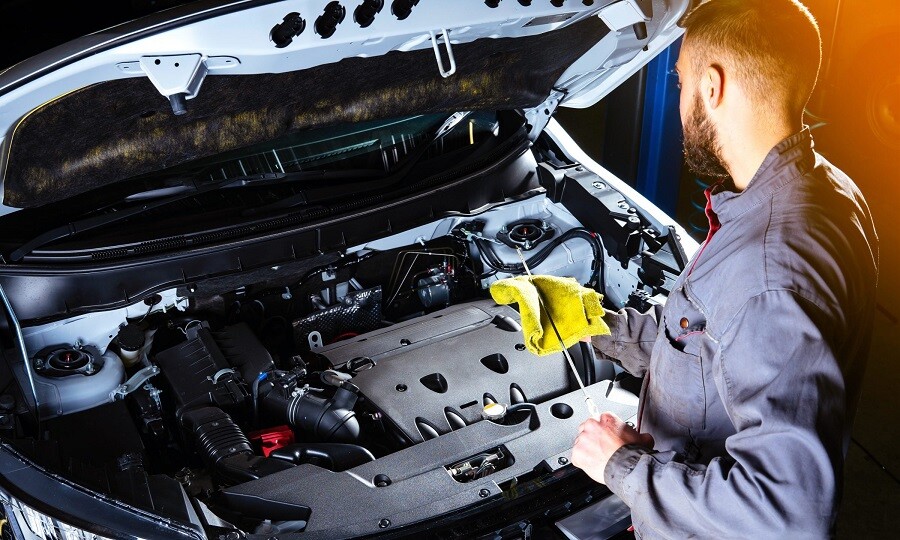
Understanding these pillars is just the first step. The real challenge lies in integrating them into a cohesive, data-driven, and long-term car care strategy.
A. Creating a DIY Maintenance Checklist
A DIY maintenance checklist is a great way to save money and to be a proactive guardian of your car’s health. The checklist should include everything from checking your oil and your tire pressure to a fluid check and a tire rotation. This will serve as your roadmap and a guide as you build your car care routine.
B. The Importance of a Professional Mechanic
While a DIY maintenance checklist is a great way to save money, it is not a replacement for a professional mechanic. A professional mechanic can provide a new level of expertise, a new level of experience, and a new level of a person’s unique vision and style. They are a great partner in your car’s health and well-being.
C. Understanding Your Car’s Manual
Your car’s manual is the single most critical piece of gear in your professional toolkit. It is the engine of your business and your primary tool for communication and collaboration. The most successful car owners are not those who are afraid of a new safety feature, but the ones who are willing to embrace it as a partner, a co-pilot in the driving process.
D. The Art of Budgeting for Car Maintenance
Money is a common source of stress, and a well-thought-out budget is essential for a stress-free car maintenance schedule. The best car maintenance schedules for 2025 are those that are a perfect blend of a person’s unique vision and style, with a powerful processor, a high-quality display, and a long-lasting battery that can last for a full workday.
Conclusion
The pursuit of a more meaningful and purposeful car ownership experience is a journey of foresight, strategy, and a deep, authentic connection to the world. It is a philosophy that is not just about a flashy car, but about a deep understanding of your audience, a commitment to a purpose, and a willingness to provide a valuable, relevant, and engaging experience. The essential car maintenance tips of today are not just a feel-good trend; they are a fundamental driver of profitability, resilience, and long-term value.
The car maintenance models explored in this guide are not just a list of opportunities; they are a reflection of a new economic reality. They are proof that the barriers to entrepreneurship have been dismantled, replaced by a meritocracy where the most valuable assets are a unique skill, a specialized knowledge base, and the ability to build a genuine relationship with a niche audience. The common thread running through all these ideas is the power of leverage: leveraging technology to scale, leveraging knowledge to command a premium, and leveraging a community to build a brand that is more than just a business.
The journey to building a smart home is challenging, but the rewards are unparalleled. It offers not only financial independence but also the satisfaction of creating something truly valuable in the world. The best time to start is now, and with the right mindset and a clear strategy, your business is well within its reach to achieve exponential growth.