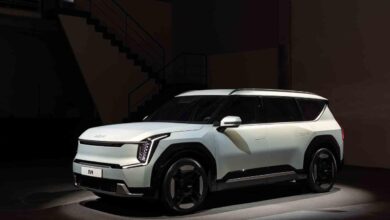
The world of automotive has entered a new era, and at the heart of this revolution is the electric vehicle (EV). For many, the transition from a gasoline-powered car to an EV represents more than just a change of vehicle; it is a change of lifestyle. The traditional routines of visiting a gas station and a mechanic’s shop are being replaced by a new paradigm of charging, maintenance, and a deeper, more digital connection with your car. While the benefits of EV ownership are immense, from zero tailpipe emissions to a new level of performance and technology, the process can feel intimidating. This definitive guide will take you on a deep dive into the foundational philosophy of EV ownership, explore the core pillars of mastering your EV, and provide the insights and actionable strategies needed to navigate this exciting, complex landscape and secure your place at the forefront of the future of mobility.
The Foundational Philosophy of EV Ownership
Before you can execute a single maintenance task or plan a single trip, it’s crucial to understand the principles that guide a smart approach to EV ownership. This is about a mindset that prioritizes long-term resilience, sustainability, and a deep understanding of your vehicle.
A. The Shift from Fueling to Charging
The biggest change for a new EV owner is the shift from fueling to charging. The traditional routine of visiting a gas station is a relic of the past, replaced by a new, more integrated, and more convenient one. A new EV owner must learn the new language of charging, from a Level 1 and a Level 2 charger to a DC fast charger. This is a journey of intentionality, where the car owner chooses to be a proactive guardian of their car’s health and well-being. This is a recognition that a small, upfront investment of time and money can save you a significant amount of stress and a significant amount of money in the long run.
B. The New Definition of “Maintenance”
An EV is a new, more complex, and more intelligent piece of technology. While it has fewer moving parts than a traditional car, it still requires a degree of care and attention. The traditional routine of visiting a mechanic’s shop is a relic of the past, replaced by a new, more integrated, and more convenient one. A new EV owner must learn the new language of maintenance, from a tire rotation and a fluid check to a battery’s degradation and a software update. This is a journey of intentionality, where the car owner chooses to be a proactive guardian of their car’s health and well-being.
C. Overcoming “Range Anxiety” and Mindset Shifts
One of the biggest concerns for a new EV owner is “range anxiety”—the fear that a car will run out of charge before it reaches its destination. The new paradigm of EV ownership is a fundamental shift in mindset, from a place of fear and intimidation to one of opportunity and empowerment. A new EV owner must learn to trust their car, to understand its range, and to plan a trip with a new, more integrated, and more convenient approach. This is a recognition that a small, upfront investment of time and money can save you a significant amount of stress and a significant amount of money in the long run.
D. The EV as a Smart and Connected Device
An EV is no longer just a vehicle; it is a sophisticated, intelligent, and connected piece of technology that is at the heart of our digital lives. The future of automotive is a powerful convergence of cars and technology, where the car is a central hub of a person’s digital life. This includes everything from AI-powered driver-assist systems and personalized in-car settings to over-the-air updates and a new level of seamless smartphone integration. The businesses that master this blend will provide a superior customer experience and a significant competitive advantage.
The Core Pillars of EV Ownership
Based on these foundational principles, here are the key categories of essential EV ownership that will define a successful car care routine in the new era. Each category represents a strategic imperative for a modern EV owner.
A. Charging and Energy Management
Charging is the new fueling, and mastering the art of charging is the key to a successful EV ownership experience.
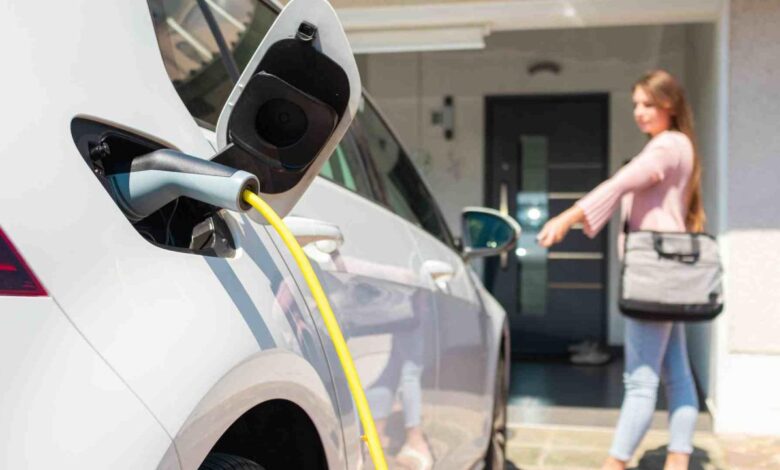
- A. Home Charging (Level 1, 2): Home charging is the most convenient and the most common way to charge an EV. A Level 1 charger is a simple wall outlet, a Level 2 charger is a 240-volt outlet. A new EV owner should have a Level 2 charger installed in their home, as it can provide a new level of speed and efficiency.
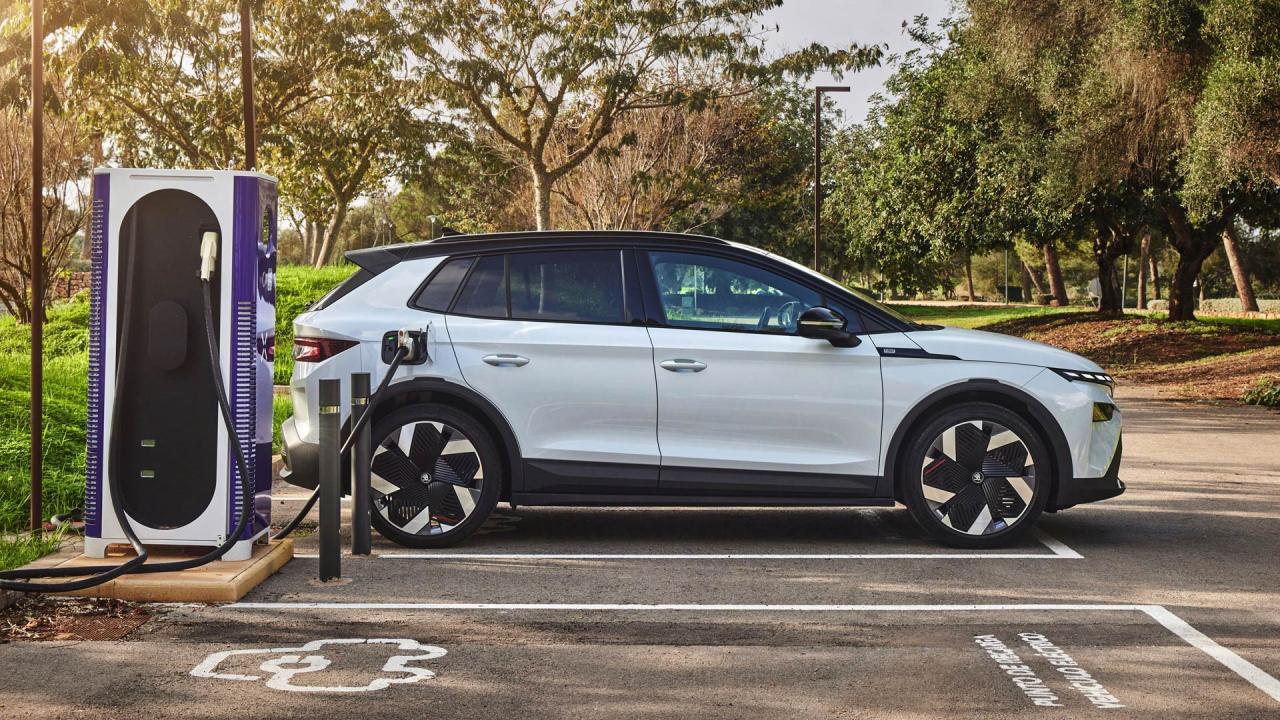
- B. Public Charging (DC Fast): Public charging is a great option for a person who wants to take a long road trip. A DC fast charger is a new, more powerful charger that can charge an EV to 80% in a matter of minutes. The key here is to have a clear understanding of the public charging network, a new, more integrated, and more complex one.
- C. Smart Charging: Smart charging is a new, more intelligent way to charge a car. It allows a car to be a part of a new, more sustainable energy grid. A car can now be used to store a person’s excess solar power and to sell it back to the grid, which can provide a new level of energy independence and a new level of sustainability.
- D. V2G Technology: A new generation of EVs is being designed with a focus on V2G (vehicle-to-grid) technology. This is a new, innovative way for a car to be a part of a new, more sustainable energy grid. A car can now be used to store a person’s excess solar power and to sell it back to the grid, which can provide a new level of energy independence and a new level of sustainability.
B. Battery Health and Longevity
The battery is the heart of an electric car, and the most critical component of an EV. Proper battery care is the key to a car’s longevity, its performance, and its resale value.
- A. Charging Habits: The most common mistake for a new EV owner is to charge their car to 100% every day. A new EV owner should charge their car to 80% every day and should only charge it to 100% for a long road trip. This will extend the life of a battery and can prevent a variety of mechanical problems.
- B. Temperature Management: A battery’s health is affected by temperature. A new EV owner should keep their car’s battery from getting too hot or too cold. This can be done by parking a car in a garage, by pre-conditioning a car’s battery before a trip, and by using a car’s air conditioning or heating system to regulate the temperature.
- C. Understanding Degradation: A battery’s health degrades over time. A new EV owner should have a clear understanding of a battery’s degradation, and should always be sure to replace their battery when the battery’s degradation is too high. This is a simple but powerful way to prevent a variety of problems, from a loss of a car’s performance to a loss of a car’s safety.
C. The New Era of EV Maintenance
An EV is a new, more complex, and more intelligent piece of technology. While it has fewer moving parts than a traditional car, it still requires a degree of care and attention.
- A. Brake Care: An EV’s brakes are not as active as a traditional car’s brakes. This is because an EV uses its electric motor to slow down, which reduces the amount of wear and tear on a car’s brakes. A new EV owner should check their brakes at least once a month, and should always be sure to replace their brakes when the brake pad is too thin.
- B. Fluid Checks: An EV has a few fluids that need to be checked, such as a coolant, a brake fluid, and a windshield washer fluid. A new EV owner should check their fluids at least once a month, and should always be sure to use the right type of fluid for their car.
- C. Tire Maintenance: A new EV’s tires are a new, more complex, and more intelligent piece of technology. A new EV owner should check their tire pressure at least once a month, and should always be sure to rotate their tires every 5,000 to 7,000 miles.
- D. Software Updates: A new EV’s software is a new, more complex, and more intelligent piece of technology. A new EV owner should always be sure to update their car’s software as soon as an update is available. This is a simple but powerful way to prevent a variety of problems, from a loss of a car’s performance to a loss of a car’s safety.
D. The Connected Car Experience
The car is no longer a simple, mechanical device; it is a connected, intelligent, and sustainable hub that is at the heart of our digital lives. The future of automotive is a powerful convergence of cars and technology, where the car is a central hub of a person’s digital life.
- A. Using the App: A new EV comes with a smartphone app that can be used to control a variety of a car’s features, from pre-conditioning a car’s battery before a trip to locking and unlocking a car’s doors.
- B. Over-the-Air Updates: A new EV’s software is a new, more complex, and more intelligent piece of technology. A new EV owner should always be sure to update their car’s software as soon as an update is available. This is a simple but powerful way to prevent a variety of problems, from a loss of a car’s performance to a loss of a car’s safety.
- C. Personalization: A new EV is being designed with a focus on a person’s unique vision and style. These devices can automatically adjust the settings of a car, can automatically edit a document, and can automatically create a stunning piece of art.
E. Financials and Cost of Ownership
The total cost of ownership is the most important part of the EV buying process. It includes not only the initial cost of a car but also the cost of charging, the cost of maintenance, and the cost of insurance.
- A. Understanding Charging Costs: The cost of charging an EV can vary significantly from one location to another. A new EV owner should have a clear understanding of the cost of charging in their home, at a public charging station, and on a long road trip.
- B. Government Incentives: Many governments offer a variety of incentives for a person who wants to buy an EV, from a tax credit to a new set of regulations.
- C. Resale Value: An EV’s resale value is a new, more complex, and more intelligent piece of technology. A new EV owner should have a clear understanding of a car’s resale value, and should always be sure to replace their car when the car’s resale value is too low.
A Strategic Blueprint for the EV Owner
Understanding these pillars is just the first step. The real challenge lies in integrating them into a cohesive, data-driven, and long-term EV ownership strategy.
A. Creating a Charging Strategy
A charging strategy is the most important part of an EV owner’s life. It is a clear, actionable plan for a car’s health, a schedule that is designed to prevent problems from happening in the first place.
- A. Plan your route. The first step in a successful EV road trip is to have a clear plan for your route. This includes a clear understanding of the public charging network, a new, more integrated, and more complex one.
- B. Use a charging app. A charging app is a great way to find a public charging station, to check a charger’s availability, and to pay for a charging session.
- C. Be flexible. A long road trip can be a challenging experience, and a new EV owner should be flexible and be willing to work at different times of the day.
B. The Importance of an EV Community
An EV community is a great way to get a new level of support, a new level of information, and a new level of a person’s unique vision and style.
- A. Join a local EV club. A local EV club is a great way to meet other EV owners, to share your experiences, and to get a new level of support.
- B. Use an online forum. An online forum is a great way to get a new level of support, a new level of information, and a new level of a person’s unique vision and style.
- C. The role of a dealership. The dealership is a great place to get a sense of a car’s performance, its handling, and its comfort. It is a place where you can ask a lot of questions, a place where you can get a sense of a car’s performance, its handling, and its comfort.
C. Planning an EV Road Trip
A long road trip is a great way to get a deeper sense of a car’s performance, its handling, and its comfort. It is a new, more integrated, and more complex one, with a new level of planning and a new level of a person’s unique vision and style.
- A. Plan your route. The first step in a successful EV road trip is to have a clear plan for your route. This includes a clear understanding of the public charging network, a new, more integrated, and more complex one.
- B. Use a charging app. A charging app is a great way to find a public charging station, to check a charger’s availability, and to pay for a charging session.
- C. Be flexible. A long road trip can be a challenging experience, and a new EV owner should be flexible and be willing to work at different times of the day.
Conclusion
The automotive industry is at a critical inflection point, with new trends and opportunities emerging that are redefining the very essence of what it means to explore the world. The era of a business solely focused on profit is over, and in its place, a new and more powerful model has emerged, one where success is defined not just by financial returns, but by a company’s commitment to sustainability, purpose, and social good.
The EV ownership explored in this guide are not just isolated phenomena; they are a reflection of this larger, systemic shift towards a more sustainable, authentic, and meaningful way of living. For the modern consumer, this new landscape presents a monumental opportunity. It is a chance to move beyond the traditional car model and to embark on a journey of personal growth, cultural exchange, and a deeper connection to the planet. It is a chance to travel with a purpose, to make a positive impact, and to create memories that are not just for a photograph but for a lifetime. The future of automotive is not just about where we go; it’s about how we go, and the impact we have along the way.