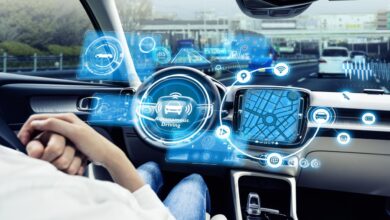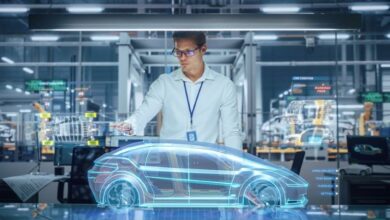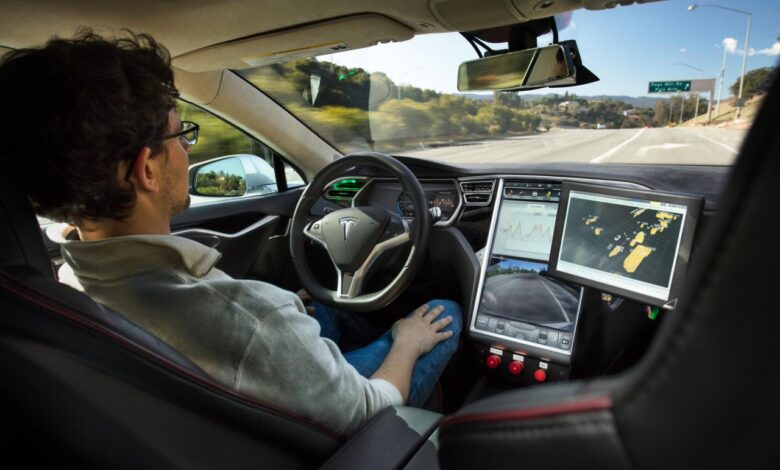
The world of transportation is on the cusp of its most profound transformation since the invention of the automobile itself. For over a century, the act of driving has been a deeply human experience, a skill passed down through generations. Today, that legacy model is a relic of the past. A new era has dawned, one where the car is no longer just a vehicle but a connected, intelligent, and autonomous system that is fundamentally reshaping our relationship with our cars and our cities. Self-driving cars, once a distant concept of science fiction, are now a tangible reality, driven by a powerful convergence of artificial intelligence, data, and a universal demand for safety and efficiency. This is not a revolution that is happening overnight but a gradual, step-by-step evolution that will impact everything from urban planning and infrastructure to car ownership and the very definition of a commute. This definitive guide will take you on a deep dive into the foundational shifts that are driving this revolution, explore the core technologies that are powering autonomous vehicles, and provide the insights and actionable strategies needed to navigate this exciting, complex landscape and secure your place at the forefront of the future.
The Foundational Shifts Reshaping Mobility
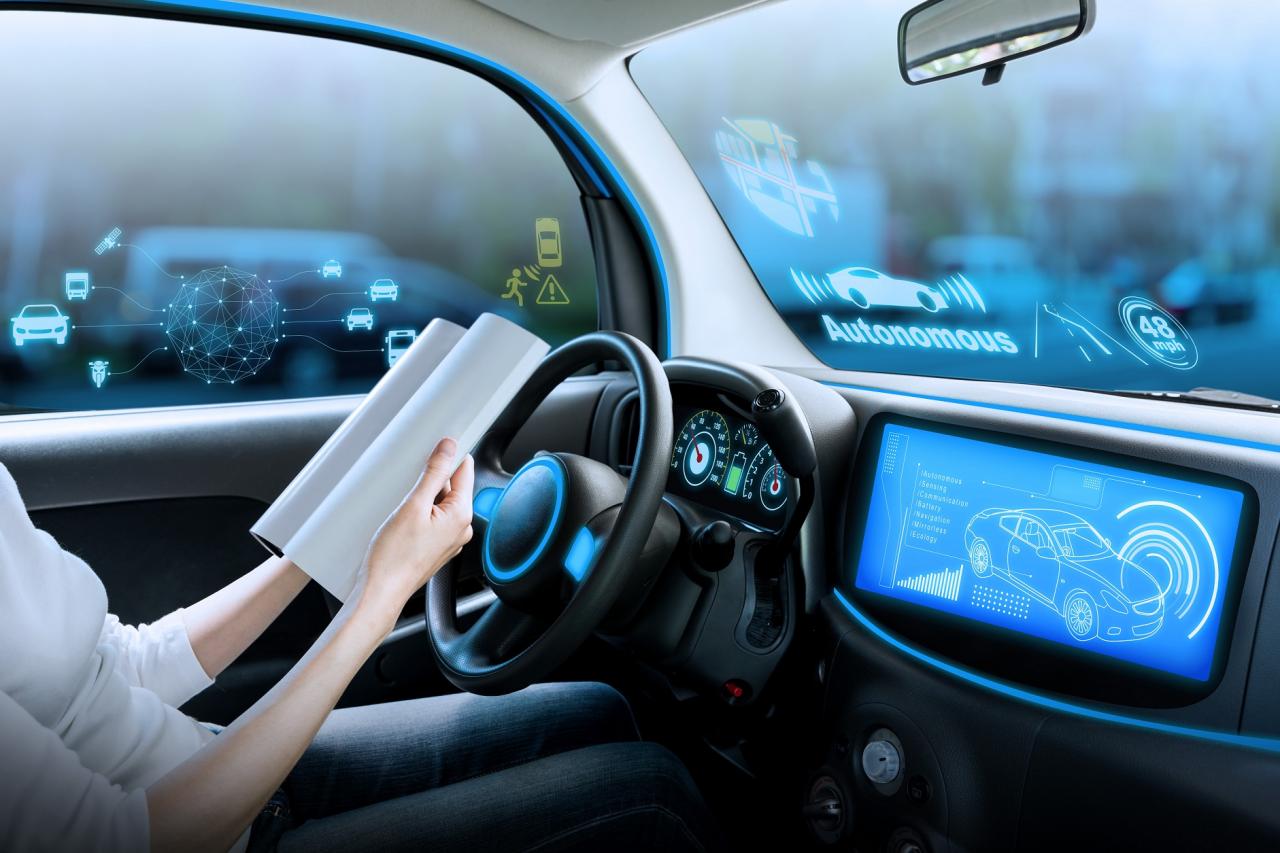
Before we can address specific technologies, it’s crucial to understand the powerful, systemic forces that are creating them. These are the megatrends that are rewriting the global automotive playbook, forcing consumers and businesses alike to fundamentally rethink their approaches.
A. The New Paradigm of Transportation and Mobility
The traditional concept of a car was a tool for transportation. The new paradigm is a fundamental shift to a more holistic concept of mobility, which includes everything from car-sharing services and autonomous vehicles to smart public transit and new, micro-mobility solutions. The future of automotive is not a single, one-size-fits-all solution; it is a new, more integrated, and more personal experience that is designed to meet the unique needs and preferences of every consumer. This is a shift from a mindset of a person’s output to one of a person’s impact.
B. The Convergence of AI, Data, and Hardware
The car is no longer a simple, mechanical device; it is a sophisticated, intelligent, and connected piece of technology. The future of autonomous vehicles is a powerful convergence of artificial intelligence (AI), data, and hardware, where the car is a central hub of a person’s digital life. This includes everything from AI-powered driver-assist systems and personalized in-car settings to over-the-air updates and a new level of seamless smartphone integration. The businesses that master this blend will provide a superior customer experience and a significant competitive advantage.
C. The Imperative for Safety and Efficiency
Human error is the leading cause of traffic accidents. The new imperative for autonomous vehicles is safety and efficiency, with a new generation of cars that are designed to be a perfect blend of a person’s unique vision and style. This could be a new, more powerful car with a new, more intuitive interface, a new, more immersive editing system with a new, more powerful VR headset, or a new, more integrated workflow with a new, more powerful set of tools. The key here is to find a system that is a perfect blend of a person’s unique vision and style.
D. The Economic and Social Implications
The future of self-driving cars has immense economic and social implications. It has the potential to fundamentally reshape everything from urban planning and infrastructure to car ownership and the very definition of a commute. It could create a new, more efficient, and more sustainable form of transportation, but it also presents a number of challenges, such as a loss of jobs for professional drivers, a new set of ethical dilemmas, and a new set of legal and regulatory challenges. This is a journey that will require a close collaboration between private companies, government regulators, and the public to ensure a smooth, safe, and equitable transition.
The Core Levels of Autonomous Driving
To truly understand the future of self-driving cars, it’s crucial to understand the different levels of autonomy as defined by the Society of Automotive Engineers (SAE). This is a scale from a human-driven car to a fully autonomous one, and it is a roadmap for the future of the automotive industry.
A. Level 0
At this level, the car has no autonomous features. The driver is responsible for all aspects of driving, including steering, braking, and acceleration. This is a traditional car with no autonomous features.
B. Level 1
At this level, the car has some autonomous features, such as adaptive cruise control or lane-keeping assist. The driver is still responsible for all aspects of driving, but the car can assist with some tasks. This is a new, more immersive, and more personal experience, with a new generation of devices that are designed to be a perfect blend of a person’s unique vision and style.
C. Level 2
At this level, the car can control both steering and acceleration, but the driver must remain in the driver’s seat and be ready to take over at any time. This is a new, more immersive, and more personal experience, with a new generation of devices that are designed to be a perfect blend of a person’s unique vision and style, with a powerful processor, a high-quality display, and a long-lasting battery that can last for a full workday.
D. Level 3
At this level, the car can handle most driving tasks, but the driver must still be ready to take over at any time. The car can operate in a self-driving mode on a highway, but the driver must still be ready to take over in a complex situation, such as a construction zone or a busy city street. This is a new, more immersive, and more personal experience, with a new generation of devices that are designed to be a perfect blend of a person’s unique vision and style, with a powerful processor, a high-quality display, and a long-lasting battery that can last for a full workday.
E. Level 4
At this level, the car can handle all driving tasks in a specific area, such as a self-driving taxi that can operate in a city center or a self-driving bus that can operate on a specific route. The car can operate in a self-driving mode, and the driver is not required to take over. This is a new, more immersive, and more personal experience, with a new generation of devices that are designed to be a perfect blend of a person’s unique vision and style, with a powerful processor, a high-quality display, and a long-lasting battery that can last for a full workday.
F. Level 5
At this level, the car can handle all driving tasks in all conditions. The driver is not required to be in the car, and the car can operate on its own. This is a new, more immersive, and more personal experience, with a new generation of devices that are designed to be a perfect blend of a person’s unique vision and style, with a powerful processor, a high-quality display, and a long-lasting battery that can last for a full workday. The key here is to find a system that is a perfect blend of a person’s unique vision and style.
The Core Technologies Powering Autonomous Vehicles
The future of self-driving cars is a powerful convergence of technology, where the car is a central hub of a person’s digital life. Understanding these technologies is the first step toward understanding the future of the automotive industry.
A. The Sensory Suite (LIDAR, Radar, Cameras)
A self-driving car’s ability to see and to understand the world is a function of its sensory suite. This includes a powerful combination of LIDAR (Light Detection and Ranging), radar, and cameras.
- A. LIDAR: LIDAR is a technology that uses a laser to create a 3D map of the car’s surroundings. It is a powerful tool for a self-driving car, as it can provide a new level of a person’s unique vision and style, with a powerful processor, a high-quality display, and a long-lasting battery that can last for a full workday.
- B. Radar: Radar is a technology that uses radio waves to detect objects and to measure their speed and their distance. It is a powerful tool for a self-driving car, as it can provide a new level of a person’s unique vision and style, with a powerful processor, a high-quality display, and a long-lasting battery that can last for a full workday.
- C. Cameras: Cameras are the eyes of a self-driving car. They provide a new level of visual information, a new level of responsiveness, and a new level of immersion. The key here is to find a system that is a perfect blend of a person’s unique vision and style, with a powerful processor, a high-quality display, and a long-lasting battery that can last for a full workday.
B. The Brain
The brain of a self-driving car is its AI and on-board computing. This is a sophisticated, intelligent hub that is at the heart of a car’s design, a tool that is designed to anticipate our every need and to simplify our daily routines.
- A. AI and Machine Learning: AI and machine learning are the engines that are powering the self-driving car revolution. They are a new, more powerful, and more efficient way to process and analyze a massive amount of data in real time, at a speed that is exponentially faster than a traditional computer.
- B. On-Board Computing: The on-board computing is the central command center of a car, the single most critical piece of gear in your professional toolkit. It is the engine of your business and your primary tool for communication and collaboration. The key here is to find a system that is a perfect blend of a person’s unique vision and style.
C. The Communication Hub (V2X Connectivity)
The future of self-driving cars is a new, more integrated, and more complex one. It includes a network of charging stations, a new generation of battery recycling facilities, and a new set of software and service providers that are designed to meet the unique needs of EV owners.
- A. V2X Connectivity: V2X (Vehicle-to-Everything) connectivity is a new, more integrated, and more complex one. It includes a network of charging stations, a new generation of battery recycling facilities, and a new set of software and service providers that are designed to meet the unique needs of EV owners.
- B. Implications: The implications of V2X connectivity are immense. It has the potential to fundamentally reshape everything from urban planning and infrastructure to car ownership and the very definition of a commute. It could create a new, more efficient, and more sustainable form of transportation, but it also presents a number of challenges, such as a loss of jobs for professional drivers, a new set of ethical dilemmas, and a new set of legal and regulatory challenges.
D. The Software and Data Layer
The software and the data are the heart and soul of a self-driving car. They are the central command center that handles all of the processing and the data analysis.
- A. Software and Algorithms: The software and the algorithms are the brain of a self-driving car. They provide a new level of a person’s unique vision and style, with a powerful processor, a high-quality display, and a long-lasting battery that can last for a full workday.
- B. Data and Mapping: The data and the mapping are the eyes of a self-driving car. They provide a new level of visual information, a new level of responsiveness, and a new level of immersion. The key here is to find a system that is a perfect blend of a person’s unique vision and style, with a powerful processor, a high-quality display, and a long-lasting battery that can last for a full workday.
The Strategic Implications and Opportunities
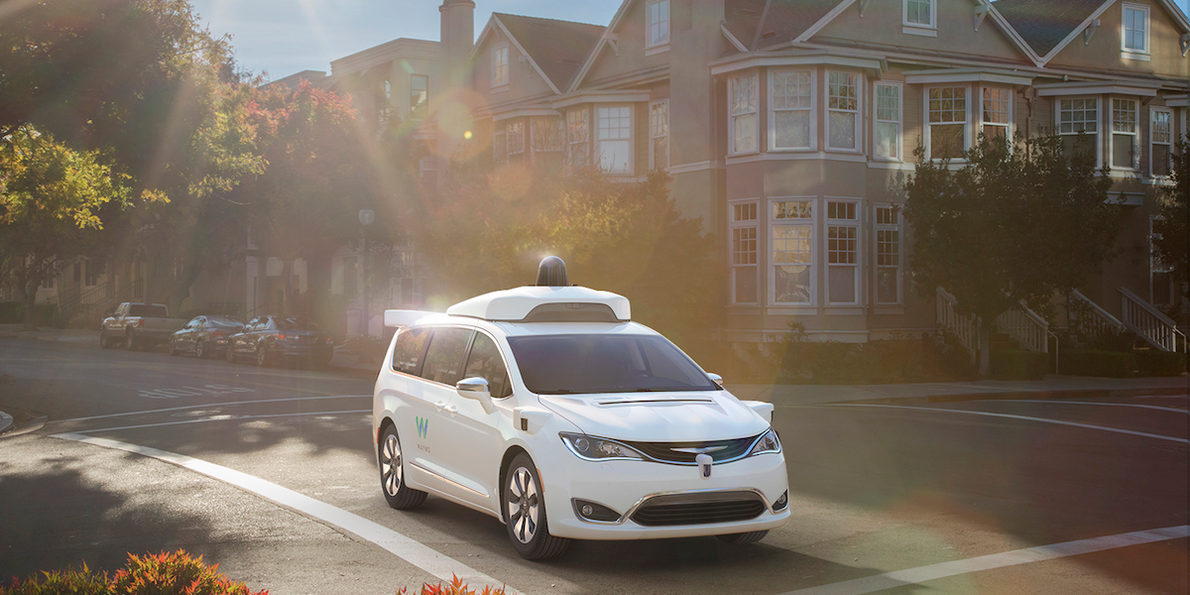
The future of self-driving cars has immense economic and social implications. It has the potential to fundamentally reshape everything from urban planning and infrastructure to car ownership and the very definition of a commute.
A. On the Automotive Industry and Manufacturing
The rise of self-driving cars is a challenge and an opportunity for the automotive industry. It requires a fundamental transformation of the business model, from a traditional, mechanical one to a new, more integrated, and more complex one. This includes a new set of skills, a new set of technologies, and a new set of business models. The businesses that are building this new ecosystem, from charging companies to battery manufacturers, are the ones that are poised for exponential growth.
B. On Urban Planning and Infrastructure
The future of self-driving cars has immense implications for urban planning and infrastructure. It has the potential to fundamentally reshape everything from how we design our cities to how we manage our traffic. It could create a new, more efficient, and more sustainable form of transportation, but it also presents a number of challenges, such as a loss of jobs for professional drivers, a new set of ethical dilemmas, and a new set of legal and regulatory challenges.
C. On Consumer Behavior and Car Ownership
The traditional concept of a car was a tool for transportation. The new paradigm is a fundamental shift to a more holistic concept of mobility, which includes everything from car-sharing services and autonomous vehicles to smart public transit and new, micro-mobility solutions. The future of automotive is not a single, one-size-fits-all solution; it is a new, more integrated, and more personal experience that is designed to meet the unique needs and preferences of every consumer.
D. The Challenge of Regulation and Ethics
The future of self-driving cars presents a new set of legal and ethical challenges. This includes a new set of safety standards, a new set of regulations, and a new set of legal and ethical dilemmas. The businesses that are building this new ecosystem, from charging companies to battery manufacturers, are the ones that are poised for exponential growth.
Conclusion
The automotive industry is at a critical inflection point, with new trends and opportunities emerging that are redefining the very essence of what it means to explore the world. The era of a business solely focused on profit is over, and in its place, a new and more powerful model has emerged, one where success is defined not just by financial returns, but by a company’s commitment to sustainability, purpose, and social good.
The self-driving cars explored in this guide are not just isolated phenomena; they are a reflection of this larger, systemic shift towards a more sustainable, authentic, and meaningful way of living. For the modern consumer, this new landscape presents a monumental opportunity. It is a chance to move beyond the traditional car model and to embark on a journey of personal growth, cultural exchange, and a deeper connection to the planet. It is a chance to travel with a purpose, to make a positive impact, and to create memories that are not just for a photograph but for a lifetime. The future of automotive is not just about where we go; it’s about how we go, and the impact we have along the way.