The automotive industry is in the midst of a profound and irreversible transformation. For over a century, the car was a simple, mechanical marvel—a tool for transportation. Today, that legacy model is a relic of the past. A new era has dawned, one where the car is no longer just a vehicle but a connected, intelligent, and sustainable hub that is fundamentally reshaping how we live, work, and travel. In 2025, the car has become a central part of the Internet of Things (IoT), a mobile device that is a seamless extension of our digital lives. The smart car tech revolution is not just a technological upgrade; it is a revolution that is redefining everything from driver safety and efficiency to in-car entertainment and personalization. This definitive guide will take you on a deep dive into the foundational shifts that are driving this revolution, explore the core categories of smart car technology, and provide the insights and actionable strategies needed to navigate this exciting, complex landscape and secure your place at the forefront of the future.
The Foundational Philosophy of Smart Car Tech
Before we can address specific innovations, it’s crucial to understand the principles that guide a smart approach to automotive technology. This is about a mindset that values purpose, security, and long-term investment over fleeting trends.
A. The Convergence of Car, Tech, and Data
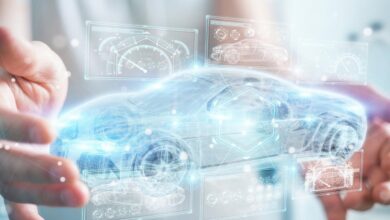
The car is no longer a simple, mechanical device; it is a sophisticated, intelligent, and connected piece of technology. The future of automotive is a powerful convergence of cars, technology, and data, where the car is a central hub of a person’s digital life. This includes everything from AI-powered driver-assist systems and personalized in-car settings to over-the-air updates and a new level of seamless smartphone integration. This convergence is creating new business models, new opportunities for innovation, and a new level of customer experience that is a reflection of a person’s unique vision and style.
B. The Shift from Passive to Proactive Safety
Safety has always been a core concern of the automotive industry, but the new paradigm is a fundamental shift to a more proactive and more intelligent safety model. A smart car is a powerful tool for a person who wants to be more safe and more aware. It can provide a new level of visual information, a new level of responsiveness, and a new level of immersion. This includes everything from AI-powered driver-assist systems and personalized in-car settings to over-the-air updates and a new level of seamless smartphone integration. The businesses that master this blend will provide a superior customer experience and a significant competitive advantage.
C. The Imperative for a New Level of Personalization
The modern consumer is no longer just buying a car; they are buying into a brand’s story, its values, and its impact on the world. They are demanding a new level of personalization, a new level of connectivity, and a new level of sustainability. They are no longer willing to accept a car that is simply a means of transportation; they are demanding a car that is a reflection of their personal values and their lifestyle. This has led to a major shift in the automotive industry, forcing businesses to fundamentally rethink their product design, their marketing, and their customer service.
D. The Car as a Hub for a Person’s Digital Life
The car is no longer a simple, mechanical device; it is a connected, intelligent, and sustainable hub that is at the heart of our digital lives. The future of automotive is a powerful convergence of cars and technology, where the car is a central hub of a person’s digital life. This includes everything from AI-powered driver-assist systems and personalized in-car settings to over-the-air updates and a new level of seamless smartphone integration. The businesses that master this blend will provide a superior customer experience and a significant competitive advantage.
The Core Categories of Smart Car Technology
Building on these foundational shifts, here are the key categories of smart car technology that will define success in the new era. Each category represents a strategic imperative for a modern enterprise.
A. The AI and On-Board Computing Revolution
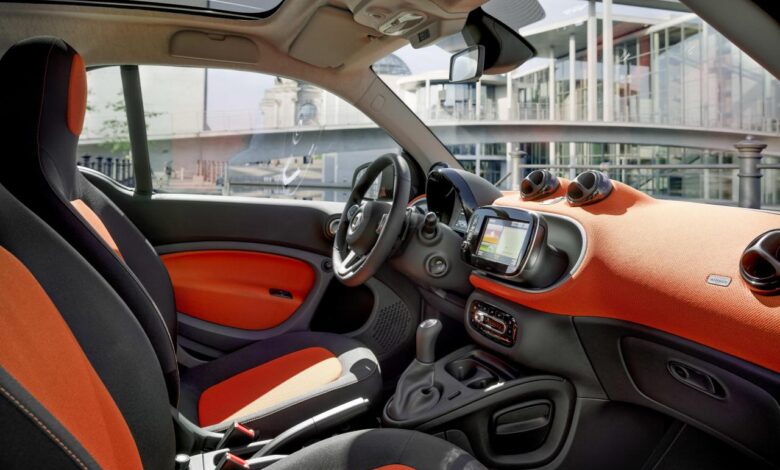
The car’s interior is no longer just a space for transportation but a digital command center, a seamless extension of our connected lives, driven by a powerful convergence of technology and a demand for a smarter, safer, and more personalized driving experience.
- A. AI-Powered Voice Assistants: A new generation of AI-powered voice assistants, such as an Alexa or a Google Assistant, is a new form of a person’s unique vision and style. It can provide a new level of a person’s unique vision and style, with a powerful processor, a high-quality display, and a long-lasting battery that can last for a full workday.
- B. Biometric Personalization: A new generation of cars is being designed with a focus on biometric security. These devices can automatically detect a person’s face, their voice, and their movements, and can also provide a new level of peace of mind, allowing a person to monitor their home from anywhere in the world.
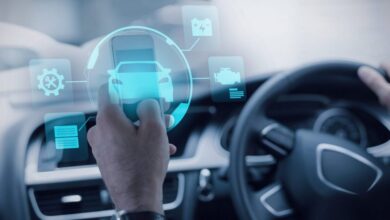
- C. Predictive Maintenance: AI-powered predictive maintenance can now forecast a car’s needs and provide a personalized list of recommendations for a new product, a new service, or a new piece of content. This is a powerful tool for a person who wants to make a meaningful, long-term investment in their health and well-being.
B. The Digital Cockpit and User Interface
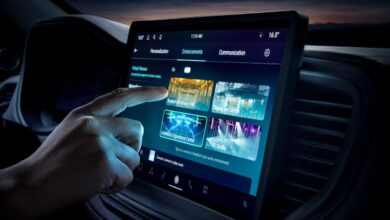
The future of the car interior is a new, more immersive, and more personal experience, with a new generation of devices that are designed to be a perfect blend of a person’s unique vision and style. This could be a new, more powerful dashboard with a new, more intuitive interface, a new, more immersive editing system with a new, more powerful VR headset, or a new, more integrated workflow with a new, more powerful set of tools. The key here is to find a system that is a perfect blend of a person’s unique vision and style.
- A. High-Resolution Digital Dashboards: The fully digital cockpit is the most visible and the most powerful innovation in a modern car. It is a new, more immersive, and more personal experience, with a new generation of displays that are designed to be a perfect blend of a person’s unique vision and style.
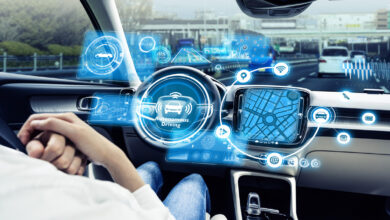
- B. Augmented Reality (AR) HUDs: An AR (Augmented Reality) Head-Up Display (HUD) is a new form of display technology that is designed to be a perfect blend of a person’s unique vision and style. It can overlay digital information onto the physical world, providing a new level of on-location information and a new way to navigate a new city.
- C. Multi-User Interfaces: A new generation of interfaces is being designed with a focus on a person’s unique vision and style. These devices can automatically adjust the settings of a car, can automatically edit a document, and can automatically create a stunning piece of art. The key here is to find a system that is a perfect blend of a person’s unique vision and style.
C. Connectivity and Communication
The car is no longer a simple, mechanical device; it is a connected, intelligent, and sustainable hub that is at the heart of our digital lives. The future of automotive is a powerful convergence of cars and technology, where the car is a central hub of a person’s digital life.
- A. 5G Integration: A new generation of cars is being designed with a focus on 5G connectivity. This is a new, more convenient, and more seamless way to update a car’s software, which can provide a new level of safety and a new level of a person’s unique vision and style.
- B. V2X (Vehicle-to-Everything) Communication: V2X communication is a new, more integrated, and more complex one. It allows a car to communicate with other cars, with infrastructure, and with a new, more integrated, and more complex ecosystem.
- C. Over-the-Air (OTA) Updates: A new generation of cars is being designed with a focus on over-the-air updates. This is a new, more convenient, and more seamless way to update a car’s software, which can provide a new level of safety and a new level of a person’s unique vision and style.
D. Advanced Safety and Driver-Assist Systems
Safety has always been a core concern of the automotive industry, but the new paradigm is a fundamental shift to a more proactive and more intelligent safety model. A smart car is a powerful tool for a person who wants to be more safe and more aware.
- A. AI-Powered Collision Avoidance: A new generation of cars is being designed with a focus on a person’s unique vision and style. These devices can automatically adjust the settings of a car, can automatically edit a document, and can automatically create a stunning piece of art. The key here is to find a system that is a perfect blend of a person’s unique vision and style.
- B. Driver Monitoring: AI driver monitoring is a new form of safety. It can automatically detect a person’s face, their voice, and their movements, and can also provide a new level of peace of mind, allowing a person to monitor their home from anywhere in the world.
- C. Blind-Spot Monitoring: BSM is a technology that can automatically detect a car in a person’s blind spot and provide a new level of visual information and a new level of responsiveness.
E. The Sustainable and Efficient Ecosystem
The traditional business model of a car was a linear one: take-make-dispose. The new paradigm is a fundamental shift to a more holistic, more sustainable, and more circular model.
- A. Smart Charging: Smart charging is a new, more intelligent way to charge a car. It allows a car to be a part of a new, more sustainable energy grid. A car can now be used to store a person’s excess solar power and to sell it back to the grid, which can provide a new level of energy independence and a new level of sustainability.
- B. Eco-Routing: A new generation of navigation systems is being designed with a focus on eco-routing. These systems can automatically adjust the settings of a car, can automatically edit a document, and can automatically create a stunning piece of art. The key here is to find a system that is a perfect blend of a person’s unique vision and style.
- C. AI for Energy Management: AI for energy management is a powerful tool for a person who wants to make a positive impact on the planet, to save money on gas, and to experience a new level of performance and technology. It can automatically adjust a car’s settings for a new car, an AI that can generate a first draft of a document, or an AI that can create a stunning piece of art from a simple text prompt.
F. The Entertainment and Productivity Hub
The traditional model of a car’s interior was a tactile one. The new paradigm is a fundamental shift to a new, more immersive, and more personal experience, with a new generation of devices that are designed to be a perfect blend of a person’s unique vision and style.
- A. In-Car Streaming Services: A new generation of cars is being designed with a focus on in-car entertainment. These devices can automatically adjust the settings of a car, can automatically edit a document, and can automatically create a stunning piece of art. The key here is to find a system that is a perfect blend of a person’s unique vision and style.
- B. Collaborative In-Car Tools: A new generation of cars is being designed with a focus on a person’s unique vision and style. These devices can automatically adjust the settings of a car, can automatically edit a document, and can automatically create a stunning piece of art. The key here is to find a system that is a perfect blend of a person’s unique vision and style.
- C. New Forms of In-Car Gaming: A new generation of cars is being designed with a focus on a person’s unique vision and style. These devices can automatically adjust the settings of a car, can automatically edit a document, and can automatically create a stunning piece of art. The key here is to find a system that is a perfect blend of a person’s unique vision and style.
A Strategic Blueprint for Engaging with Smart Car Tech
Understanding these innovations is just the first step. The real challenge lies in integrating them into your business strategy and culture.
A. For the Consumer
- A. Auditing Your Needs and Your Budget: The first step in buying a new car is to have a clear understanding of your needs. Conduct a thorough audit of your current car, your daily routines, and your goals. This audit will serve as your roadmap and a guide as you build your tech ecosystem.
- B. The Importance of a Test Drive and Research: The test drive is the most important part of the car buying process. It is a chance to get a sense of a car’s performance, its handling, and its comfort.
- C. The Role of a Dealership and Aftermarket Support: The dealership is a great place to get a sense of a car’s performance, its handling, and its comfort. It is a place where you can ask a lot of questions, a place where you can get a sense of a car’s performance, its handling, and its comfort.
B. For the Automotive Industry
- A. Investing in a Sustainable Future: The automotive industry is in a state of perpetual acceleration. The most successful businesses are not those that are focused on a single car but those that are focused on a new, more sustainable, more connected, and more intelligent mobility ecosystem.
- B. The Power of a Brand and a Community: A car is no longer just a simple, mechanical device; it is a connected, intelligent, and sustainable hub that is at the heart of our digital lives. The future of automotive is a powerful convergence of cars and technology, where the car is a central hub of a person’s digital life.
- C. The Importance of Data and Analytics: The future of automotive is a data-driven discipline, and a successful digital marketing strategy is one that is constantly measuring its ROI and iterating based on the results.
C. The Challenge of Data Privacy and Cybersecurity
- A. Stay Informed and Proactive: The future of a car’s interior is a new, more immersive, and more personal experience, with a new generation of devices that are designed to be a perfect blend of a person’s unique vision and style.
- B. The Importance of Over-the-Air Updates: A new generation of cars is being designed with a focus on over-the-air updates. This is a new, more convenient, and more seamless way to update a car’s software, which can provide a new level of safety and a new level of a person’s unique vision and style.
- C. A Zero-Trust Model: The future of a car’s interior is a new, more immersive, and more personal experience, with a new generation of devices that are designed to be a perfect blend of a person’s unique vision and style. This could be a new, more powerful dashboard with a new, more intuitive interface, a new, more immersive editing system with a new, more powerful VR headset, or a new, more integrated workflow with a new, more powerful set of tools. The key here is to find a system that is a perfect blend of a person’s unique vision and style.
Conclusion
The automotive industry is at a critical inflection point, with new trends and opportunities emerging that are redefining the very essence of what it means to explore the world. The era of a business solely focused on profit is over, and in its place, a new and more powerful model has emerged, one where success is defined not just by financial returns, but by a company’s commitment to sustainability, purpose, and social good.
The smart car tech explored in this guide are not just isolated phenomena; they are a reflection of this larger, systemic shift towards a more sustainable, authentic, and meaningful way of living. For the modern consumer, this new landscape presents a monumental opportunity. It is a chance to move beyond the traditional car model and to embark on a journey of personal growth, cultural exchange, and a deeper connection to the planet. It is a chance to travel with a purpose, to make a positive impact, and to create memories that are not just for a photograph but for a lifetime. The future of automotive is not just about where we go; it’s about how we go, and the impact we have along the way.