

The automotive industry is in the midst of a profound and irreversible transformation. For over a century, the car was a simple, mechanical marvel—a tool for transportation powered by fossil fuels. Today, that legacy model is a relic of the past. A new era has dawned, one where the car is no longer just a vehicle but a connected, intelligent, and sustainable hub that is fundamentally reshaping how we live, work, and travel. The concept of a sustainable car has moved beyond a simple conversation about tailpipe emissions to a holistic approach that considers a car’s entire lifecycle, from its manufacturing and its energy source to its eventual disposal. For consumers seeking to make a smart purchase and for businesses striving to meet these changing demands, understanding these shifts is not just an advantage—it is a necessity. This definitive guide will take you on a deep dive into the foundational shifts that are driving this revolution, explore the core pillars of sustainable automotive, and provide the insights and actionable strategies needed to navigate this exciting, complex landscape and secure your place at the forefront of the future.
The Foundational Philosophy of Sustainable Automotive

Before we can address specific trends, it’s crucial to understand the powerful, systemic forces that are creating them. These are the megatrends that are rewriting the global automotive playbook, forcing consumers and businesses alike to fundamentally rethink their approaches.
A. The Shift from Tailpipe Emissions to Total Impact
The traditional conversation around a car’s environmental impact was focused on its tailpipe emissions—the carbon dioxide and other pollutants that are released into the atmosphere. The new paradigm is a fundamental shift to a total impact model, where a car’s sustainability is measured by its entire lifecycle. This includes the environmental impact of its manufacturing process, the energy source that powers it, the materials that are used to build it, and its eventual disposal. A sustainable car is not just a car that doesn’t have a tailpipe; it is a car that is a part of a larger, more sustainable, and more circular ecosystem.
B. The New Consumer Demand for Eco-Conscious Mobility
Today’s consumers, especially younger generations, are more informed, demanding, and ethically minded than ever before. They are not just buying a car; they are buying into a brand’s story, its values, and its impact on the world. They are demanding a new level of personalization, a new level of connectivity, and a new level of sustainability. They are no longer willing to accept a car that is simply a means of transportation; they are demanding a car that is a reflection of their personal values and their lifestyle. This has led to a major shift in the automotive industry, forcing businesses to fundamentally rethink their product design, their marketing, and their customer service.
C. The Imperative of a Circular Economy
The traditional business model of a car was a linear one: take-make-dispose. The car was manufactured, sold, driven, and then eventually disposed of in a landfill. The new paradigm is a fundamental shift to a more holistic, more sustainable, and more circular economy. This is a model where a car’s parts and materials are recycled and reused, a car’s battery is recycled and repurposed, and a car’s life is extended through a new set of repair and refurbishment services. This is a powerful tool for a person who wants to make a positive impact on the planet, to save money on gas, and to experience a new level of performance and technology.
D. The Role of Technology as an Enabler
Technology is the backbone of a successful sustainable automotive ecosystem. It is the lifeblood of a modern car, providing a new level of communication, collaboration, and productivity. The most successful businesses are not those that are using the most expensive tools, but those that are using the right tools in the right way. This is a recognition that technology is not a problem; it is a powerful solution that can enable a new level of freedom, flexibility, and productivity.
The Core Pillars of Sustainable Automotive
Based on these foundational principles, here are the key categories of sustainable automotive that will define success in the new era. Each category represents a strategic imperative for a modern enterprise.
A. Electric Vehicle (EV) Technology
The electric vehicle (EV) revolution is the most visible and the most powerful driver of the sustainable car movement. EVs are a new, more efficient, and more sustainable way to power a car, and they are a powerful tool for a person who wants to make a positive impact on the planet.
- A. Battery Technology: The battery is the heart of an electric car, and the next generation of EVs is being defined by a series of groundbreaking innovations in battery technology. This includes the development of solid-state batteries, which can provide a new level of energy density, a new level of safety, and a new level of charging speed.
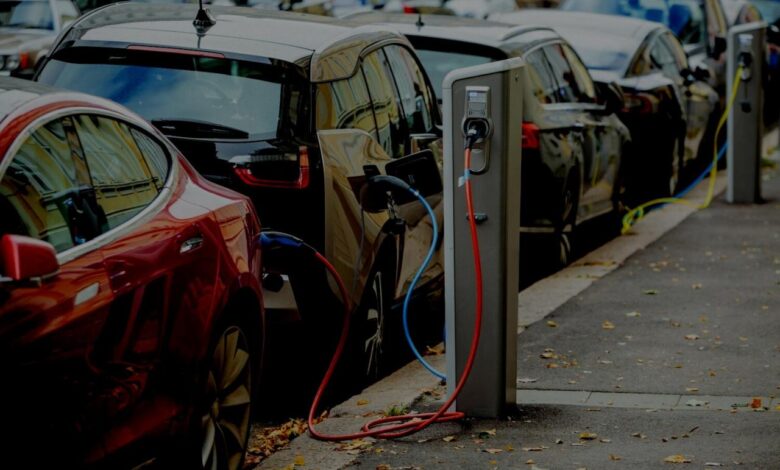
- B. EV Charging: The traditional model of a gas station is a relic of the past. The future of EV charging is a new, more integrated, and more complex one. This includes the development of ultra-fast charging, wireless charging, and V2G (vehicle-to-grid) technology, which allows a car to be a part of a new, more sustainable energy grid.
- C. V2G (Vehicle-to-Grid) Tech: A new generation of EVs is being designed with a focus on V2G technology. This is a new, innovative way for a car to be a part of a new, more sustainable energy grid. A car can now be used to store a person’s excess solar power and to sell it back to the grid, which can provide a new level of energy independence and a new level of sustainability.
B. The Circular Economy and Manufacturing
The traditional business model of a car was a linear one: take-make-dispose. The new paradigm is a fundamental shift to a more holistic, more sustainable, and more circular model.
- A. Recycled and Plant-Based Materials: A new generation of cars is being designed with a focus on eco-friendly materials, such as recycled plastics, sustainable fabrics, and plant-based materials. This is a powerful tool for a person who wants to make a positive impact on the planet, to save money on gas, and to experience a new level of performance and technology.
- B. Modular Design: A new generation of cars is being designed with a focus on modular design. This is a new, more convenient, and more seamless way to repair and to refurbish a car, which can provide a new level of a person’s unique vision and style, with a powerful processor, a high-quality display, and a long-lasting battery that can last for a full workday.
- C. Battery Recycling: The biggest challenge for a circular automotive model is a battery’s degradation. The new paradigm is a fundamental shift to a more holistic, more sustainable, and more circular model. A new generation of companies is being developed with a focus on battery recycling, which can provide a new level of a person’s unique vision and style, with a powerful processor, a high-quality display, and a long-lasting battery that can last for a full workday.
C. The Sustainable Ownership Model
The traditional concept of a car was a tool for transportation. The new paradigm is a fundamental shift to a more holistic concept of mobility, which includes everything from car-sharing services and autonomous vehicles to smart public transit and new, micro-mobility solutions.
- A. Car-Sharing: Car-sharing services, such as a Zipcar or a Turo, are a new, more sustainable, and more affordable way to own a car. A person can now rent a car for a few hours, a few days, or a few weeks, which can be a great way to save money on gas and to reduce a person’s carbon footprint.
- B. Subscription Services: A new generation of car subscription services is being developed with a focus on a person’s unique vision and style. This is a new, more convenient, and more seamless way to own a car, which can provide a new level of a person’s unique vision and style, with a powerful processor, a high-quality display, and a long-lasting battery that can last for a full workday.
- C. Long-Term Ownership: A new generation of cars is being designed with a focus on a person’s unique vision and style. These devices can automatically adjust the settings of a car, can automatically edit a document, and can automatically create a stunning piece of art. The key here is to find a system that is a perfect blend of a person’s unique vision and style.
D. The Holistic Ecosystem
The future of automotive is a powerful convergence of cars, technology, and energy, where the car is a central hub of a person’s digital life.
- A. Vehicle-to-Home (V2H) Tech: A new generation of EVs is being designed with a focus on V2H (vehicle-to-home) technology. This is a new, innovative way for a car to be a part of a new, more sustainable energy grid. A car can now be used to store a person’s excess solar power and to use it to power their home, which can provide a new level of energy independence and a new level of sustainability.
- B. Smart Charging: A new generation of smart charging systems is being designed with a focus on a person’s unique vision and style. These systems can automatically adjust the settings of a car, can automatically edit a document, and can automatically create a stunning piece of art. The key here is to find a system that is a perfect blend of a person’s unique vision and style.
E. The Software and Data Layer
The software and the data are the heart and soul of a sustainable car. They are the central command center that handles all of the processing and the data analysis.
- A. AI for Energy Efficiency: AI is a powerful tool for a person who wants to make a positive impact on the planet, to save money on gas, and to experience a new level of performance and technology. It can automatically adjust a person’s settings for a new car, an AI that can generate a first draft of a document, or an AI that can create a stunning piece of art from a simple text prompt.
- B. Predictive Maintenance: AI-powered predictive maintenance can now forecast a car’s needs and provide a personalized list of recommendations for a new product, a new service, or a new piece of content. This is a powerful tool for a person who wants to make a meaningful, long-term investment in their health and well-being.
A Strategic Blueprint for Buying a Sustainable Car

Understanding these innovations is just the first step. The real challenge lies in integrating them into your business strategy and culture.
A. Auditing Your Needs and Your Budget
The first step in buying a new car is to have a clear understanding of your needs. Conduct a thorough audit of your current car, your daily routines, and your goals. This audit will serve as your roadmap and a guide as you build your tech ecosystem.
B. Understanding the Total Cost of Ownership
The total cost of ownership is the most important part of the car buying process. It includes not only the initial cost of a car but also the cost of gas, the cost of maintenance, and the cost of insurance. A sustainable car can often have a higher initial cost but a lower total cost of ownership, which can be a great way to save a significant amount of money in the long run.
C. The Importance of Infrastructure
The biggest challenge for the EV revolution is a lack of charging infrastructure. The new imperative is for a new, more integrated, and more complex ecosystem. This includes a network of charging stations, a new generation of battery recycling facilities, and a new set of software and service providers that are designed to meet the unique needs of EV owners.
Conclusion
The automotive industry is at a critical inflection point, with new trends and opportunities emerging that are redefining the very essence of what it means to explore the world. The era of a business solely focused on profit is over, and in its place, a new and more powerful model has emerged, one where success is defined not just by financial returns, but by a company’s commitment to sustainability, purpose, and social good.
The sustainable cars explored in this guide are not just isolated phenomena; they are a reflection of this larger, systemic shift towards a more sustainable, authentic, and meaningful way of living. For the modern consumer, this new landscape presents a monumental opportunity. It is a chance to move beyond the traditional car model and to embark on a journey of personal growth, cultural exchange, and a deeper connection to the planet. It is a chance to travel with a purpose, to make a positive impact, and to create memories that are not just for a photograph but for a lifetime. The future of automotive is not just about where we go; it’s about how we go, and the impact we have along the way.