The automotive industry is in the midst of a profound and irreversible transformation. For over a century, the car was a simple, mechanical marvel—a tool for transportation powered by fossil fuels. Today, that legacy model is a relic of the past. A new era has dawned, one where the car is no longer just a vehicle but a connected, intelligent, and sustainable hub that is fundamentally reshaping how we live, work, and travel. In 2025, the automotive world is at a critical inflection point, with a powerful convergence of technology, consumer demands, and a global imperative for environmental responsibility. For consumers seeking to make a smart purchase and for businesses striving to meet these changing demands, understanding these shifts is not just an advantage—it is a necessity. This definitive guide will take you on a deep dive into the foundational shifts that are driving this revolution, explore the core automotive trends of 2025, and provide the insights and actionable strategies needed to navigate this exciting, complex landscape and secure your place at the forefront of the future.
The Foundational Shifts Reshaping the Automotive World
Before we can address specific trends, it’s crucial to understand the powerful, systemic forces that are creating them. These are the megatrends that are rewriting the global automotive playbook, forcing consumers and businesses alike to fundamentally rethink their approaches.
A. The Global Imperative for Sustainability
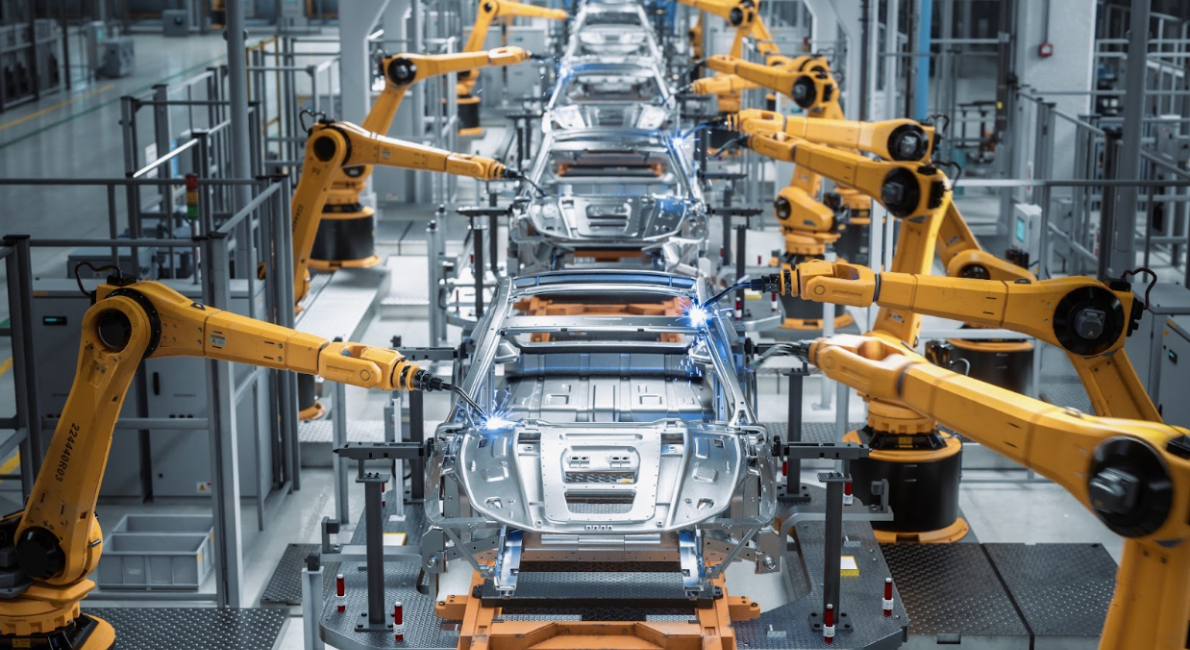
The urgency of the global climate crisis has made sustainability a core strategic imperative for the automotive industry. Governments, consumers, and investors are demanding a shift away from fossil fuels and towards a greener, more sustainable future. This has fueled a massive investment in electric vehicles (EVs), sustainable materials, and new manufacturing processes. The automotive industry is not just adapting to a new set of regulations; it is fundamentally transforming its business model to meet the demands of a world that is demanding a more environmentally responsible form of transportation.
B. The Convergence of Cars and Technology
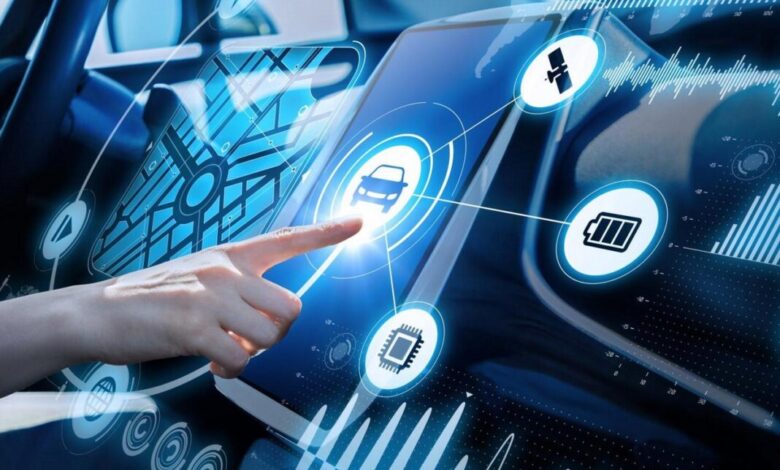
The car is no longer a simple, mechanical device; it is a sophisticated, intelligent, and connected piece of technology. The future of automotive is a powerful convergence of cars and technology, where the car is a central hub of a person’s digital life. This includes everything from AI-powered driver-assist systems and personalized in-car settings to over-the-air updates and a new level of seamless smartphone integration. The businesses that master this blend will provide a superior customer experience and a significant competitive advantage.
C. The Evolution of Consumer Expectations
Today’s consumers, especially younger generations, are more informed, demanding, and ethically minded than ever before. They are not just buying a car; they are buying into a brand’s story, its values, and its impact on the world. They are demanding a new level of personalization, a new level of connectivity, and a new level of sustainability. They are no longer willing to accept a car that is simply a means of transportation; they are demanding a car that is a reflection of their personal values and their lifestyle. This has led to a major shift in the automotive industry, forcing businesses to fundamentally rethink their product design, their marketing, and their customer service.
D. The Blurring of Transportation and Mobility
The traditional concept of a car was a tool for transportation. The new paradigm is a fundamental shift to a more holistic concept of mobility, which includes everything from car-sharing services and autonomous vehicles to smart public transit and new, micro-mobility solutions. The future of automotive is not a single, one-size-fits-all solution; it is a new, more integrated, and more personal experience that is designed to meet the unique needs and preferences of every consumer. This is a shift from a mindset of a person’s output to one of a person’s impact.
The Core Automotive Trends of 2025
Building on these foundational shifts, here are the key automotive trends that will define success in 2025. Each trend represents a strategic imperative for modern enterprises.
A. The Electric Vehicle (EV) Revolution
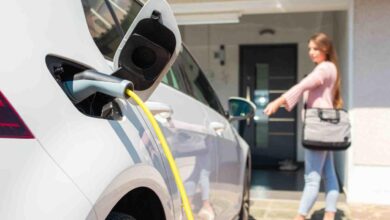
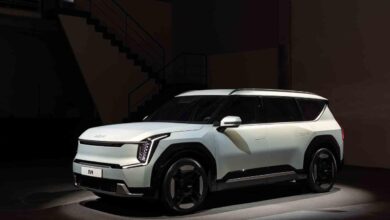
The electric vehicle (EV) revolution is no longer a futuristic concept; it is a practical tool for immediate transformation. The widespread availability of EVs, driven by performance, range, and a new level of a person’s unique vision and style, is reshaping everything from how we drive to how we power our homes.
- Why it matters: EVs are a powerful tool for a person who wants to make a positive impact on the planet, to save money on gas, and to experience a new level of performance and technology. They are a reflection of a consumer’s personal values and their lifestyle, and they are a powerful tool for a business that wants to build a brand that is a reflection of a community’s shared values and passions.
- How to Adapt: For consumers, this means understanding the new world of EVs, from battery technology and charging infrastructure to government incentives and a new level of performance and range. For businesses, this means investing in EV technology, building a new, more sustainable supply chain, and providing a new level of customer service and support for EV owners.
B. The Rise of Autonomous Driving
Autonomous driving is a gradual shift from driver-assist to a fully autonomous car. This is a profound and irreversible transformation that has the potential to fundamentally reshape our relationship with our cars and with our cities.
- Why it matters: Autonomous driving is a powerful tool for a person who wants to be more productive, more efficient, and more safe. It can reduce traffic congestion, reduce the number of accidents, and provide a new level of convenience and a new level of freedom.
- How to Adapt: For consumers, this means understanding the levels of autonomy, from a level 1 to a level 5, and the safety implications of a fully autonomous car. For businesses, this means investing in AI-powered driver-assist systems, a new, more powerful sensor technology, and a new, more secure software system.
C. The Connected Car Ecosystem
The car is no longer a simple, mechanical device; it is a connected, intelligent, and sustainable hub that is at the heart of our digital lives. The future of automotive is a powerful convergence of cars and technology, where the car is a central hub of a person’s digital life.
- Why it matters: A connected car is a powerful tool for a person who wants to be more productive, more efficient, and more connected. It can provide a new level of in-car entertainment, a new level of a person’s unique vision and style, and a new level of a person’s unique vision and style.
- How to Adapt: For consumers, this means understanding the new world of connected cars, from in-car entertainment and a new level of smartphone integration to over-the-air updates and a new level of seamlessness. For businesses, this means investing in new, more powerful software systems, a new, more secure software system, and a new, more personalized customer experience.
D. Sustainable and Circular Automotive Models
The traditional business model of a car was a linear one: take-make-dispose. The new paradigm is a fundamental shift to a more holistic, more sustainable, and more circular model.
- Why it matters: A sustainable and circular automotive model is a powerful tool for a person who wants to make a positive impact on the planet, to save money on gas, and to experience a new level of performance and technology. It is a reflection of a consumer’s personal values and their lifestyle, and they are a powerful tool for a business that wants to build a brand that is a reflection of a community’s shared values and passions.
- How to Adapt: For consumers, this means choosing a sustainable car that is made with recycled materials, has a long-lasting battery, and is designed to be a perfect blend of a person’s unique vision and style. For businesses, this means investing in new, more sustainable materials, a new, more sustainable manufacturing process, and a new, more circular business model.
E. AI-Powered Driving and Personalization
The future of driving is a new, more immersive, and more personal experience, with a new generation of devices that are designed to be a perfect blend of a person’s unique vision and style. This could be an AI that automatically adjusts a person’s settings for a new game, an AI that can generate a first draft of a level, or an AI that can create a stunning piece of art from a simple text prompt. This is a shift from a mindset of consumption to one of intentionality, where every purchase is a reflection of your needs and your values.
- Why it matters: AI-powered driving and personalization is a powerful tool for a person who wants to be more productive, more efficient, and more connected. It can provide a new level of a person’s unique vision and style, a new level of a person’s unique vision and style, and a new level of a person’s unique vision and style.
- How to Adapt: For consumers, this means understanding the new world of AI, from AI driver-assist systems and a new level of personalized in-car settings to a new, more powerful software system. For businesses, this means investing in new, more powerful software systems, a new, more secure software system, and a new, more personalized customer experience.
F. The New Era of Car Ownership
The traditional concept of a car was a tool for transportation. The new paradigm is a fundamental shift to a more holistic concept of mobility, which includes everything from car-sharing services and autonomous vehicles to smart public transit and new, micro-mobility solutions.
- Why it matters: The new era of car ownership is a powerful tool for a person who wants to be more productive, more efficient, and more connected. It can provide a new level of a person’s unique vision and style, a new level of a person’s unique vision and style, and a new level of a person’s unique vision and style.
- How to Adapt: For consumers, this means understanding the new world of car ownership, from car-sharing services and a new level of a person’s unique vision and style to a new, more powerful software system. For businesses, this means investing in new, more powerful software systems, a new, more secure software system, and a new, more personalized customer experience.
G. Cybersecurity for Cars
A car is no longer a simple, mechanical device; it is a connected, intelligent, and sustainable hub that is at the heart of our digital lives. The future of automotive is a powerful convergence of cars and technology, where the car is a central hub of a person’s digital life.
- Why it matters: A connected car is a powerful tool for a person who wants to be more productive, more efficient, and more connected. It can provide a new level of a person’s unique vision and style, a new level of a person’s unique vision and style, and a new level of a person’s unique vision and style.
- How to Adapt: For consumers, this means understanding the new world of connected cars, from in-car entertainment and a new level of smartphone integration to over-the-air updates and a new level of seamlessness. For businesses, this means investing in new, more powerful software systems, a new, more secure software system, and a new, more personalized customer experience.
A Strategic Framework for Navigating the Future of Cars

Understanding these trends is just the first step. The real challenge lies in integrating them into your business strategy and culture.
A. For the Consumer
- A. Auditing Your Needs and Your Budget: The first step in buying a new car is to have a clear understanding of your needs. Conduct a thorough audit of your current car, your daily routines, and your goals. This audit will serve as your roadmap and a guide as you build your tech ecosystem.
- B. The Importance of a Test Drive: The test drive is the most important part of the car buying process. It is a chance to get a sense of a car’s performance, its handling, and its comfort.
- C. The Role of a Dealership: The dealership is a great place to get a sense of a car’s performance, its handling, and its comfort. It is a place where you can ask a lot of questions, a place where you can get a sense of a car’s performance, its handling, and its comfort.
B. For the Automotive Industry
- A. Investing in a Sustainable Future: The automotive industry is in a state of perpetual acceleration. The most successful businesses are not those that are focused on a single car but those that are focused on a new, more sustainable, more connected, and more intelligent mobility ecosystem.
- B. The Power of a Brand and a Community: A car is no longer just a simple, mechanical device; it is a connected, intelligent, and sustainable hub that is at the heart of our digital lives. The future of automotive is a powerful convergence of cars and technology, where the car is a central hub of a person’s digital life.
- C. The Importance of Data and Analytics: The future of automotive is a data-driven discipline, and a successful digital marketing strategy is one that is constantly measuring its ROI and iterating based on the results.
Conclusion
The automotive industry is at a critical inflection point, with new trends and opportunities emerging that are redefining the very essence of what it means to explore the world. The era of a business solely focused on profit is over, and in its place, a new and more powerful model has emerged, one where success is defined not just by financial returns, but by a company’s commitment to sustainability, purpose, and social good.
The top automotive trends of 2025 explored in this guide are not just isolated phenomena; they are a reflection of this larger, systemic shift towards a more sustainable, authentic, and meaningful way of living. For the modern consumer, this new landscape presents a monumental opportunity. It is a chance to move beyond the traditional car model and to embark on a journey of personal growth, cultural exchange, and a deeper connection to the planet. It is a chance to travel with a purpose, to make a positive impact, and to create memories that are not just for a photograph but for a lifetime. The future of automotive is not just about where we go; it’s about how we go, and the impact we have along the way.